The Democratic Republic of Congo possesses a vast, largely untapped potential for clean power generation from sources such as hydroelectricity, solar, wind, geothermal, and biomass. Harnessing these resources offers a pathway to sustainable development.
Developing this potential offers significant advantages, including increased energy access for a population with limited electricity infrastructure, economic growth through new industries and job creation, and a reduction in reliance on fossil fuels, mitigating climate change impacts. Historically, the country has relied heavily on hydropower from aging infrastructure, necessitating diversification and modernization of its energy mix.
Further exploration of this subject will encompass specific project examples, challenges to implementation, international partnerships, and the future outlook for a sustainable energy transition within the nation.
Tips for Supporting Sustainable Power Development in the Congo
Strategic approaches and considerations are crucial for fostering growth in the Congolese clean power sector.
Tip 1: Prioritize Rural Electrification: Focus on extending grid connections and implementing off-grid solutions like mini-grids and standalone systems powered by renewable sources to reach underserved rural communities.
Tip 2: Attract Private Investment: Develop clear and attractive regulatory frameworks to encourage private sector participation in financing and developing clean energy projects.
Tip 3: Capacity Building: Invest in training and education programs to develop a local workforce skilled in the installation, operation, and maintenance of renewable energy technologies.
Tip 4: Regional Cooperation: Collaborate with neighboring countries on cross-border energy trade and joint development of renewable energy resources to maximize regional benefits.
Tip 5: Data Collection and Analysis: Implement robust data collection and analysis systems to monitor progress, identify challenges, and inform policy decisions related to the energy transition.
Tip 6: Environmental and Social Safeguards: Ensure environmental and social impact assessments are conducted for all projects and that appropriate mitigation measures are implemented to minimize negative consequences.
Tip 7: Transparency and Governance: Promote transparency in all aspects of the energy sector, including procurement processes and project development, to build trust and accountability.
By adopting these strategies, stakeholders can contribute to a more sustainable and equitable energy future for the Democratic Republic of Congo.
These recommendations offer a starting point for a broader discussion on the long-term development of the Congolese power sector.
1. Hydropower Dominance

The Democratic Republic of Congo’s energy landscape is characterized by a significant reliance on hydropower. While hydropower represents a renewable energy source, its dominance presents both opportunities and challenges for the nation’s pursuit of a diversified and sustainable energy future. Understanding the nuances of this dominance is crucial for charting a path toward greater energy security and access.
- Existing Infrastructure and Capacity
The Congo possesses substantial existing hydropower infrastructure, including the Inga dams, which hold the potential to become one of the world’s largest hydropower facilities. This existing capacity offers a foundation upon which to build, but requires modernization and strategic expansion to maximize its benefits.
- Environmental and Social Impacts
Large-scale hydropower projects can have significant environmental and social consequences, including displacement of communities, alteration of river ecosystems, and greenhouse gas emissions from reservoir decomposition. Mitigating these impacts is essential for ensuring sustainable development.
- Dependence and Diversification Needs
Over-reliance on hydropower makes the Congolese energy sector vulnerable to climate variability, such as drought, which can impact electricity generation. Diversifying the energy mix through the integration of other renewable sources like solar, wind, and geothermal is critical for enhancing energy security and resilience.
- Regional Energy Trade and Cooperation
The Congo’s hydropower potential presents opportunities for regional energy trade, potentially supplying power to neighboring countries. Cross-border cooperation on infrastructure development and energy sharing agreements can facilitate economic growth and regional stability.
Effectively leveraging existing hydropower resources while strategically integrating other renewable energy sources is essential for achieving a balanced and sustainable energy future for the Democratic Republic of Congo. This approach will require careful planning, investment in new technologies, and regional collaboration to maximize benefits and minimize potential risks.
2. Solar energy potential

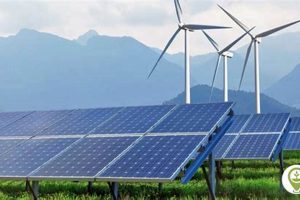
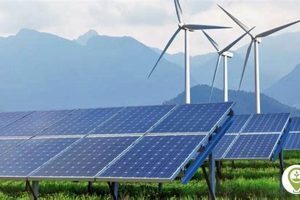
Solar energy represents a significant component of the Democratic Republic of Congo’s renewable energy potential. The country’s location near the equator provides abundant sunshine, making it a prime candidate for large-scale solar power deployment. Leveraging this potential offers a pathway to diversifying the nation’s energy mix, reducing reliance on hydropower, and extending electricity access to underserved communities, particularly in rural areas where grid extension is challenging. For example, off-grid solar solutions, such as solar home systems and mini-grids, can provide electricity for households, businesses, and essential services like schools and clinics. Larger-scale solar farms can feed into the national grid, supplementing existing hydropower generation and enhancing energy security.
The practical significance of harnessing solar energy in the Congo is multifaceted. Increased access to electricity can stimulate economic development by powering productive activities, creating jobs, and improving living standards. Reduced reliance on biomass for cooking and lighting can improve public health and reduce deforestation. Furthermore, solar energy offers a clean and sustainable alternative to fossil fuels, contributing to climate change mitigation efforts. Examples of successful solar initiatives in other African nations demonstrate the feasibility and transformative potential of this technology in the Congolese context. However, challenges such as financing, infrastructure development, and technical capacity building require attention to unlock the full potential of solar energy.
Integrating solar energy into the Congolese energy landscape offers a crucial opportunity for sustainable development. Addressing the existing challenges through strategic planning, investment, and capacity building will be essential for maximizing the benefits of this abundant resource and driving a transition towards a more resilient and diversified energy future. This shift towards solar power complements other renewable energy sources, contributing to a more comprehensive and sustainable energy strategy for the nation.
3. Wind power feasibility

Wind power feasibility represents a crucial aspect of diversifying the Democratic Republic of Congo’s renewable energy portfolio beyond its current reliance on hydropower. While the country’s vast hydropower potential offers a significant advantage, over-dependence on a single source creates vulnerabilities to climate variations such as drought. Assessing and implementing wind energy projects can enhance energy security and resilience by providing a complementary power source less susceptible to hydrological fluctuations. This diversification also reduces the environmental and social impact associated with large-scale hydropower projects, such as ecosystem disruption and community displacement.
Determining the feasibility of wind power in the Congo requires careful analysis of wind resources. Coastal regions and elevated areas often possess higher wind speeds suitable for turbine deployment. Detailed wind mapping studies are necessary to identify optimal locations and estimate potential energy generation capacity. Furthermore, infrastructure considerations, such as grid connectivity and road access to project sites, play a crucial role in project viability. Transmission lines and substations need upgrading or construction to integrate wind farms into the national grid effectively. Examples from other African nations, such as Kenya and Ethiopia, which have successfully integrated wind power into their energy mix, offer valuable lessons and best practices for the Congo to consider.
Understanding wind power feasibility is essential for informing policy decisions and attracting investments in the Congolese renewable energy sector. Successful implementation requires a comprehensive approach encompassing resource assessment, infrastructure development, regulatory frameworks, and community engagement. Addressing these factors effectively can unlock the potential of wind power to contribute significantly to the nation’s sustainable energy future, complementing existing hydropower resources and fostering a more balanced and resilient energy landscape. Furthermore, exploring wind energy’s potential can contribute to job creation and economic development within the renewable energy sector, supporting a transition towards a more sustainable and diversified economy.
4. Biomass resource utilization

Biomass resource utilization presents a significant opportunity within the Democratic Republic of Congo’s pursuit of renewable energy development. Given the nation’s extensive agricultural and forestry resources, biomass offers a readily available and sustainable energy source, particularly for rural communities with limited access to the national grid. Strategic implementation of biomass energy technologies can contribute to energy access, economic development, and reduced reliance on traditional biomass for cooking and heating, mitigating deforestation and improving public health. This exploration examines the key facets of biomass resource utilization within the Congolese context.
- Sustainable Feedstock Supply
Establishing a sustainable feedstock supply chain is crucial for successful biomass energy development. This involves identifying appropriate biomass resources, such as agricultural residues, dedicated energy crops, and sustainably managed forestry byproducts. Ensuring responsible sourcing practices prevents deforestation and land degradation while supporting local agricultural economies.
- Technology Selection and Deployment
Selecting appropriate biomass energy technologies depends on factors such as available resources, community needs, and project scale. Options include anaerobic digestion for biogas production, gasification for electricity generation, and direct combustion for heating applications. Matching technology to local contexts maximizes efficiency and minimizes environmental impact. For instance, small-scale biogas digesters can provide clean cooking fuel for households, while larger gasification plants can power local industries.
- Environmental and Social Considerations
While biomass offers a renewable energy source, careful consideration of environmental and social impacts is crucial. Sustainable harvesting practices, efficient conversion technologies, and proper waste management minimize potential negative consequences. For example, using crop residues as feedstock reduces the need for open burning, which contributes to air pollution. Community engagement and benefit-sharing mechanisms ensure equitable distribution of benefits and minimize potential social disruptions.
- Integration with Existing Infrastructure
Integrating biomass energy into the existing energy infrastructure can enhance its effectiveness and reach. Connecting biomass power plants to the national grid expands access to electricity, while localized mini-grids powered by biomass can serve remote communities. Strategic planning and investment in grid infrastructure are essential for maximizing the benefits of biomass energy.
Effectively utilizing biomass resources offers a pathway to diversified and sustainable energy production in the Democratic Republic of Congo. By addressing the key facets of sustainable feedstock supply, technology selection, environmental and social considerations, and infrastructure integration, biomass energy can contribute significantly to the nation’s renewable energy goals, complementing other renewable sources like hydropower and solar, and fostering a more resilient and inclusive energy future. This approach supports a transition toward a more sustainable and diversified economy while addressing crucial energy access challenges in rural communities.
5. Geothermal exploration

Geothermal exploration plays a vital role in diversifying the Democratic Republic of Congo’s renewable energy resources beyond the dominant hydropower sector. The country’s geological context, marked by volcanic activity in the eastern region, suggests the presence of exploitable geothermal resources. Investigating and harnessing this potential offers significant opportunities for expanding clean energy generation, reducing reliance on hydropower, and mitigating the impacts of climate variability on electricity supply. Geothermal energy, derived from the Earth’s internal heat, provides a consistent and reliable power source, unlike hydropower, which can fluctuate due to drought conditions. Successful geothermal projects in other East African nations, such as Kenya and Ethiopia, demonstrate the viability and potential of this technology in the region.
The practical significance of geothermal exploration in the Congo lies in its potential to contribute to several key development objectives. Increased geothermal energy generation can enhance energy security, reduce greenhouse gas emissions, and stimulate economic development in the eastern region. Developing geothermal power plants can create jobs, attract investments, and provide a stable electricity supply for industries and communities. This diversification of the energy mix strengthens resilience against climate change impacts and reduces dependence on a single energy source. Furthermore, geothermal energy can provide direct heating applications for industrial processes and agriculture, further maximizing its benefits. However, challenges such as high upfront exploration and development costs, the need for specialized technical expertise, and potential environmental impacts, such as induced seismicity, require careful assessment and mitigation strategies.
Developing the Congo’s geothermal potential necessitates a strategic approach encompassing resource assessment, infrastructure development, capacity building, and regulatory frameworks. Geological surveys, geophysical investigations, and exploratory drilling are essential for identifying and characterizing geothermal reservoirs. Investment in transmission infrastructure is crucial for connecting geothermal power plants to the national grid. Developing local expertise in geothermal technologies ensures long-term project sustainability. Clear regulatory frameworks and incentives can attract private sector investment and facilitate project development. Successfully addressing these challenges can unlock the transformative potential of geothermal energy, contributing significantly to the nation’s sustainable energy future and complementing other renewable resources in a diversified energy portfolio. This approach reinforces energy security, reduces reliance on hydropower, and fosters a more resilient and sustainable energy landscape.
6. Grid infrastructure development

Grid infrastructure development is inextricably linked to the successful integration and utilization of renewable energy resources in the Democratic Republic of Congo. The existing grid, characterized by limited reach and aging infrastructure, presents a significant bottleneck to harnessing the nation’s vast renewable energy potential. Strategic investment in grid modernization, expansion, and smart grid technologies is essential for transmitting clean electricity from generation sources to consumers, maximizing the impact of renewable energy investments, and facilitating a transition towards a more sustainable and reliable energy system. This exploration delves into the key facets of grid infrastructure development within the Congolese context.
- Transmission Network Expansion
Expanding the transmission network is crucial for connecting remote renewable energy projects, such as hydropower plants, solar farms, and wind farms, to the national grid. This involves constructing new high-voltage transmission lines and substations to facilitate efficient electricity transport across long distances. For instance, extending the grid to connect eastern Congo’s potential geothermal resources to the national network would enable widespread utilization of this clean energy source. Investments in transmission infrastructure are essential for unlocking the full potential of geographically dispersed renewable resources and integrating them into the national energy mix.
- Grid Modernization and Smart Grid Technologies
Modernizing the existing grid infrastructure and integrating smart grid technologies enhance grid stability, reliability, and efficiency. Upgrading aging equipment, implementing advanced metering infrastructure, and incorporating real-time monitoring systems optimize grid performance and minimize transmission losses. Smart grid technologies enable better integration of intermittent renewable sources, such as solar and wind power, by optimizing power flow and balancing supply and demand. These advancements are crucial for ensuring a reliable and stable electricity supply as the share of renewable energy in the grid increases.
- Rural Electrification and Mini-Grids
Extending grid access to rural communities is essential for promoting equitable access to electricity and fostering economic development. Grid extension projects, coupled with the development of mini-grids powered by renewable sources, can provide electricity to underserved populations. Mini-grids, operating independently or connected to the main grid, offer a cost-effective solution for electrifying remote areas. These initiatives are crucial for addressing energy poverty and promoting inclusive development, particularly in areas where grid extension is challenging due to geographical constraints or low population density.
- Regional Grid Interconnection
Regional grid interconnection offers opportunities for cross-border electricity trade and enhanced energy security. Connecting the Congolese grid with neighboring countries’ networks facilitates the exchange of electricity, optimizing resource utilization and enhancing regional energy resilience. For instance, during periods of drought, the Congo could import electricity from countries with excess hydropower capacity, while during periods of high rainfall, it could export surplus hydropower to neighboring nations. Regional cooperation on grid infrastructure development promotes energy security, optimizes resource allocation, and fosters regional economic integration.
Developing robust and modern grid infrastructure is paramount for realizing the transformative potential of renewable energy in the Democratic Republic of Congo. Addressing the key aspects of transmission network expansion, grid modernization, rural electrification, and regional interconnection is essential for creating a sustainable, reliable, and accessible energy system. Strategic investment in grid infrastructure unlocks the full potential of the nation’s diverse renewable resources, fostering economic development, enhancing energy security, and contributing to a more sustainable energy future. This interconnected approach maximizes the benefits of renewable energy integration and paves the way for a more resilient and prosperous future for the Congo.
Frequently Asked Questions about Renewable Energy in the Democratic Republic of Congo
This section addresses common inquiries regarding the development and utilization of renewable energy resources within the Democratic Republic of Congo.
Question 1: What is the current status of renewable energy development in the DRC?
While hydropower currently dominates the energy mix, the DRC possesses significant untapped potential in solar, wind, geothermal, and biomass resources. Active projects and initiatives are underway to diversify the energy portfolio and expand access to electricity.
Question 2: What are the primary challenges hindering broader renewable energy adoption?
Key challenges include limited grid infrastructure, financing constraints, technical capacity limitations, and the need for a stable and attractive investment climate. Addressing these obstacles is crucial for accelerating renewable energy development.
Question 3: How can renewable energy contribute to economic development in the DRC?
Renewable energy projects can stimulate economic growth by creating jobs, powering productive activities, attracting investments, and improving energy access for businesses and communities. This, in turn, can improve living standards and support sustainable development.
Question 4: What role can international partnerships play in advancing renewable energy in the DRC?
International collaborations provide essential technical assistance, financial support, and capacity-building opportunities. Partnerships with development agencies, international organizations, and private sector companies facilitate knowledge transfer, technology deployment, and project implementation.
Question 5: What environmental and social considerations are associated with renewable energy development?
While generally considered environmentally friendly, renewable energy projects require careful assessment of potential impacts on ecosystems, communities, and water resources. Implementing appropriate mitigation measures and engaging with local stakeholders are essential for ensuring sustainable development.
Question 6: What is the long-term outlook for renewable energy in the DRC?
The DRC’s vast renewable energy potential, coupled with increasing global demand for clean energy solutions, creates a positive outlook for long-term growth in the sector. Strategic planning, continued investment, and supportive policies are crucial for realizing this potential and achieving a sustainable energy future.
Understanding these key aspects of renewable energy development in the DRC provides valuable insights into the opportunities and challenges associated with this crucial sector. Addressing these considerations effectively is paramount for achieving a sustainable and prosperous energy future for the nation.
For further information and detailed analysis, please continue to the next section.
Congo Renewable Energy
Exploration of the Democratic Republic of Congo’s renewable energy landscape reveals significant potential for sustainable development. The analysis highlighted the dominance of hydropower, the vast untapped resources in solar, wind, geothermal, and biomass energy, and the critical need for grid infrastructure development. Challenges such as financing, technical capacity, and regulatory frameworks require strategic solutions to unlock the full potential of these resources. Diversifying the energy mix and expanding access to electricity are crucial for driving economic growth, improving living standards, and mitigating climate change impacts.
The Democratic Republic of Congo stands at a critical juncture. Strategic investment in renewable energy infrastructure and supportive policies can transform the nation’s energy landscape and pave the way for a more sustainable and prosperous future. Realizing this potential requires concerted efforts from government, private sector, and international partners to overcome existing challenges and unlock the transformative power of Congo’s renewable energy resources. The future of energy in the DRC hinges on embracing a diversified and sustainable approach, ensuring access for all, and fostering a resilient energy system capable of driving long-term economic growth and social development.