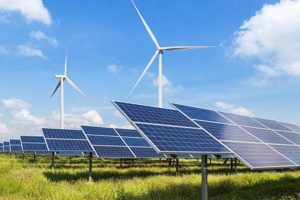
Sustainable energy sources derived from natural processes that are replenished at a higher rate than they are consumed are fundamental to a future with reduced reliance on fossil fuels. Examples include solar, wind, hydro, geothermal, and biomass power. These technologies harness naturally occurring phenomena to generate electricity, heat, or fuels.
The shift towards these sustainable resources offers numerous advantages. These include mitigating the effects of climate change by reducing greenhouse gas emissions, diversifying energy supply and enhancing energy security, stimulating economic growth through job creation and technological innovation, and improving air quality and public health. The growing awareness of the environmental and geopolitical consequences of fossil fuel dependence has accelerated the development and deployment of these cleaner alternatives over recent decades.
This discussion will further explore specific types of sustainable energy technologies, their respective advantages and challenges, and the policy landscape that influences their adoption and integration into the existing energy infrastructure. It will also examine the potential for these resources to address future energy demands and contribute to a more sustainable global energy system.
Practical Steps Towards Sustainable Energy Adoption
Transitioning towards a cleaner energy future requires informed decision-making and proactive measures. The following tips provide guidance for individuals and communities seeking to embrace sustainable energy solutions.
Tip 1: Conduct an Energy Audit: Assessing current energy consumption patterns is crucial. A professional energy audit can identify areas for improvement and potential energy savings within a home or business.
Tip 2: Explore Renewable Energy Options: Research various sustainable energy technologies, considering factors such as geographic location, energy needs, and available resources to determine the most suitable options. For example, solar panels may be ideal for sunny regions, while wind turbines are better suited for areas with consistent wind patterns.
Tip 3: Invest in Energy-Efficient Appliances: Upgrading to energy-efficient appliances and lighting can significantly reduce energy consumption and lower utility bills.
Tip 4: Consider On-Site Generation: Installing rooftop solar panels or small-scale wind turbines can provide on-site renewable energy generation, reducing reliance on the grid.
Tip 5: Support Renewable Energy Policies: Advocate for policies that incentivize the development and adoption of sustainable energy technologies, such as tax credits, rebates, and renewable portfolio standards.
Tip 6: Educate and Engage: Raising awareness within communities about the benefits of sustainable energy can encourage wider adoption and support for cleaner energy initiatives.
Tip 7: Monitor and Optimize: Regularly monitor energy consumption after implementing changes to track progress and identify further opportunities for improvement.
By adopting these strategies, individuals and communities can contribute to a more sustainable energy future, reducing environmental impact and promoting energy independence.
These actionable steps offer a pathway towards a cleaner energy future. The subsequent sections will further explore the broader implications of sustainable energy adoption for both the environment and the economy.
1. Sustainability

Sustainability forms the core principle of energy derived from renewable sources. It represents the ability to meet current energy demands without compromising the ability of future generations to meet their own needs. This necessitates a shift away from finite fossil fuels towards resources that are naturally replenished. Solar, wind, hydro, and geothermal energy exemplify this principle, offering continuous energy generation with minimal environmental impact. Their inherent renewability ensures a consistent energy supply, mitigating the risks associated with resource depletion. For instance, solar installations harness sunlight, a perpetually available resource, to generate electricity, contributing to long-term energy security without diminishing the resource itself. Similarly, wind farms utilize wind energy, a naturally occurring phenomenon, for power generation, ensuring a sustainable energy supply for present and future generations.
The sustainability of renewable energy sources extends beyond resource availability. It encompasses the entire lifecycle of these technologies, from material sourcing and manufacturing to operation and decommissioning. Minimizing environmental impact throughout these stages is crucial. For example, advancements in solar panel recycling and the responsible sourcing of materials for wind turbine construction demonstrate a commitment to sustainable practices throughout the supply chain. Moreover, the operational phase of these technologies is characterized by low emissions and minimal environmental disruption, further solidifying their sustainable nature. Hydropower projects, while offering renewable energy, require careful planning and management to minimize impacts on aquatic ecosystems and surrounding communities. The pursuit of sustainable practices throughout the entire lifecycle of renewable energy technologies strengthens their contribution to long-term environmental and societal well-being.
In conclusion, sustainability is inextricably linked to the viability and effectiveness of renewable energy sources. Their inherent renewability, combined with environmentally conscious practices throughout their lifecycle, positions them as key drivers of a sustainable energy future. Addressing challenges related to intermittency, storage, and grid integration remains crucial for maximizing the potential of these resources. Continued research and development, coupled with supportive policies and public awareness, are essential for accelerating the transition towards a truly sustainable energy system capable of meeting present and future demands without compromising the planet’s resources or ecological balance.
2. Resource Availability

Resource availability plays a critical role in the viability and scalability of renewable energy technologies. The geographic distribution and abundance of resources like sunlight, wind, water, and geothermal heat directly influence the feasibility and effectiveness of specific renewable energy projects. Regions with high solar irradiance are naturally suited for solar power generation, while areas with consistent wind patterns offer significant potential for wind energy development. Similarly, mountainous regions with ample rainfall provide opportunities for hydropower generation, while geothermal resources are concentrated in areas with tectonic activity. Understanding these geographical variations in resource availability is crucial for strategic planning and resource allocation.
The intermittent nature of some renewable resources, such as solar and wind, necessitates strategies for ensuring consistent energy supply. Energy storage technologies, like batteries and pumped hydro, play a vital role in balancing supply and demand fluctuations. Diversifying the renewable energy portfolio by combining different resources can also mitigate intermittency challenges. For instance, integrating solar and wind power can provide a more reliable energy supply compared to relying solely on one resource. Furthermore, advancements in forecasting technologies enhance the ability to predict resource availability, allowing for better grid management and optimized energy dispatch. Addressing the challenges associated with intermittency through technological innovation and strategic resource management is essential for maximizing the potential of renewable energy.
The global distribution of renewable resources underscores the need for international cooperation and knowledge sharing. While some regions possess abundant solar resources, others may have greater potential for wind or geothermal energy. Facilitating the exchange of best practices, technologies, and expertise can accelerate the global transition to renewable energy. Furthermore, responsible resource management is crucial for minimizing environmental impacts and ensuring long-term sustainability. Careful site selection, environmental impact assessments, and mitigation strategies are essential for minimizing the ecological footprint of renewable energy projects. By addressing resource availability challenges through strategic planning, technological innovation, and international collaboration, the potential of renewable energy can be fully realized, paving the way for a cleaner and more sustainable energy future.
3. Technological Advancements
Technological advancements are intrinsically linked to the growth and efficacy of renewable energy sources. Continuous innovation drives down costs, improves efficiency, and expands the applicability of these technologies. From enhanced photovoltaic cells to sophisticated wind turbine designs, technological progress is crucial for unlocking the full potential of renewable energy and accelerating its integration into the global energy landscape.
- Improved Energy Conversion Efficiency
Increasing the efficiency of converting renewable resources into usable energy is a primary focus of research and development. Advancements in photovoltaic technology, for example, have led to higher solar panel efficiencies, enabling greater energy output from smaller surface areas. Similarly, improvements in wind turbine blade design and generator technology enhance energy capture from wind resources. These gains in efficiency directly translate to increased energy production and reduced costs, making renewable energy more competitive with traditional energy sources.
- Enhanced Energy Storage Solutions
Addressing the intermittent nature of renewable energy sources like solar and wind requires efficient and cost-effective energy storage solutions. Battery technology advancements, including improved battery chemistries, longer lifespans, and higher energy densities, are crucial for storing excess energy generated during peak production periods and releasing it during periods of low resource availability. Other storage technologies, such as pumped hydro and thermal storage, are also undergoing significant development, offering diverse options for grid stability and reliability.
- Smart Grid Integration
Integrating renewable energy sources into existing power grids efficiently and reliably requires sophisticated grid management systems. Smart grid technologies, including advanced sensors, real-time monitoring, and data analytics, enable dynamic control and optimization of energy flow. These systems can predict and respond to fluctuations in renewable energy generation, ensuring grid stability and maximizing the utilization of renewable resources. Furthermore, smart grids facilitate demand-side management, allowing consumers to actively participate in energy conservation and optimize energy usage patterns.
- Advanced Materials and Manufacturing Processes
The development of new materials and manufacturing techniques is essential for improving the performance, durability, and cost-effectiveness of renewable energy technologies. Lightweight and high-strength materials for wind turbine blades, for example, enable larger turbine designs and increased energy capture. Similarly, advancements in solar cell materials and manufacturing processes enhance efficiency and reduce production costs. These innovations contribute to the continuous improvement and wider adoption of renewable energy technologies.
These interconnected technological advancements are pivotal for driving the continued growth and adoption of renewable energy sources. As technology continues to evolve, renewable energy becomes increasingly cost-competitive, efficient, and reliable, solidifying its role as a key component of a sustainable global energy future. Further research and development, coupled with supportive policies and market mechanisms, will accelerate the transition towards a cleaner and more secure energy landscape powered by renewable resources.
4. Economic Benefits
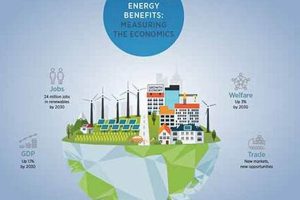
Renewable energy sources offer substantial economic benefits, creating new industries, generating employment opportunities, and stimulating economic growth. The transition to a cleaner energy economy necessitates significant investments in research, development, manufacturing, installation, and maintenance of renewable energy technologies. This creates demand for skilled labor across various sectors, including engineering, construction, manufacturing, and project management. For example, the growth of the solar industry has led to a substantial increase in jobs related to solar panel manufacturing, installation, and maintenance. Similarly, the wind energy sector provides employment opportunities in turbine manufacturing, installation, and operation. These new industries contribute to economic diversification and resilience, reducing dependence on traditional fossil fuel-based industries.
Furthermore, renewable energy projects often stimulate local economies, particularly in rural areas. Wind farms, solar installations, and other renewable energy facilities generate property tax revenue for local governments and lease payments for landowners. This influx of capital can support essential public services, infrastructure development, and community revitalization. Moreover, renewable energy can reduce energy costs for businesses and consumers, freeing up capital for other investments and stimulating economic activity. By reducing reliance on imported fossil fuels, renewable energy enhances energy independence and reduces vulnerability to volatile global energy markets, providing price stability and long-term cost savings. The economic benefits of renewable energy extend beyond job creation and local economic development, contributing to national energy security and macroeconomic stability.
In conclusion, the economic benefits of renewable energy are multifaceted, encompassing job creation, economic growth, local economic development, energy independence, and price stability. While the initial investment in renewable energy infrastructure can be substantial, the long-term economic benefits significantly outweigh the costs. As technology continues to advance and costs decline, renewable energy becomes an increasingly attractive investment, driving economic transformation and contributing to a more sustainable and prosperous future. Policy support, including tax incentives, subsidies, and streamlined permitting processes, is crucial for accelerating the deployment of renewable energy technologies and maximizing their economic potential. By embracing the economic opportunities presented by renewable energy, communities and nations can build a more resilient, sustainable, and prosperous future.
5. Environmental Protection

Environmental protection is a central driver and a significant beneficiary of the transition to clear energy renewables. Mitigating the detrimental environmental consequences of fossil fuel-based energy generation is crucial for safeguarding the planet’s ecosystems and human well-being. Renewable energy sources offer a pathway towards a cleaner, more sustainable energy future by reducing emissions, minimizing environmental degradation, and promoting ecological balance. Exploring the multifaceted connection between environmental protection and renewable energy reveals the profound positive impacts of this essential transition.
- Reduced Greenhouse Gas Emissions
Renewable energy sources produce little to no greenhouse gas emissions during operation, a stark contrast to fossil fuel combustion, a primary contributor to climate change. Substituting fossil fuels with renewable energy sources like solar, wind, and hydro significantly reduces carbon dioxide and other greenhouse gas emissions, mitigating the severity of climate change impacts. This reduction is essential for stabilizing the global climate, preventing further temperature increases, and protecting vulnerable ecosystems and communities from the adverse effects of climate change, such as sea-level rise, extreme weather events, and biodiversity loss.
- Improved Air Quality
Fossil fuel combustion releases pollutants like sulfur dioxide, nitrogen oxides, and particulate matter, contributing to respiratory problems, cardiovascular diseases, and other health issues. Renewable energy sources, being inherently clean, drastically reduce these harmful air pollutants, leading to improved air quality and public health outcomes. Transitioning to renewable energy alleviates the burden of air pollution-related illnesses, reduces healthcare costs, and improves overall quality of life, particularly in urban areas and regions heavily reliant on fossil fuels. This improvement in air quality is a direct and tangible benefit of adopting renewable energy, enhancing the well-being of communities and ecosystems.
- Water Conservation
Traditional power plants often require substantial amounts of water for cooling purposes, placing stress on water resources, especially in water-scarce regions. Many renewable energy technologies, such as solar and wind, have minimal water requirements, alleviating pressure on water resources and promoting water conservation. This reduced water footprint is particularly beneficial in arid and semi-arid regions where water scarcity is a significant concern. By minimizing water usage, renewable energy contributes to sustainable water management practices, preserving valuable water resources for essential ecological and human needs.
- Reduced Land Degradation
Fossil fuel extraction activities, such as coal mining and oil drilling, can cause significant land degradation, habitat destruction, and soil erosion. Renewable energy sources, while requiring land for infrastructure, generally have a lower environmental impact on land resources compared to fossil fuel extraction. Furthermore, some renewable energy installations, such as rooftop solar panels, can be integrated into existing infrastructure, minimizing land use requirements. By reducing land degradation, renewable energy helps preserve biodiversity, protect ecosystems, and maintain the ecological integrity of natural landscapes.
These interconnected facets of environmental protection demonstrate the crucial role of clear energy renewables in mitigating environmental degradation and fostering a healthier planet. Transitioning away from fossil fuels towards renewable energy sources offers a comprehensive approach to environmental stewardship, addressing climate change, improving air and water quality, and protecting land resources. The environmental benefits of renewable energy are essential for ensuring a sustainable future for both present and future generations, safeguarding the planet’s ecological integrity and enhancing human well-being.
6. Energy Independence

Energy independence, the ability of a nation or region to meet its energy needs without relying on external sources, is a critical aspect of national security, economic stability, and environmental sustainability. Clear energy renewables play a pivotal role in achieving energy independence by diversifying energy sources and reducing reliance on imported fossil fuels. Exploring the multifaceted connections between energy independence and clear energy renewables reveals the strategic importance of this transition.
- Reduced Reliance on Geopolitically Volatile Regions
Many countries rely heavily on fossil fuel imports from geopolitically unstable regions, creating vulnerabilities to supply disruptions, price fluctuations, and political tensions. Developing domestic clear energy renewable resources reduces dependence on these volatile regions, enhancing energy security and reducing the risks associated with international energy markets. By generating energy domestically, nations can insulate themselves from the geopolitical complexities of fossil fuel trade, fostering greater autonomy and control over their energy supply.
- Enhanced National Security
Energy security is a critical component of national security. Overreliance on foreign energy sources can create vulnerabilities to supply disruptions, potentially impacting critical infrastructure, economic stability, and national defense. Clear energy renewables enhance national security by providing a secure and reliable domestic energy supply, reducing dependence on foreign powers and mitigating the risks associated with energy supply disruptions. This enhanced energy security strengthens national resilience and reduces vulnerability to external pressures, promoting greater stability and self-reliance.
- Economic Stability and Growth
Investing in clear energy renewables stimulates domestic economic growth by creating new industries, generating employment opportunities, and reducing energy costs. By reducing reliance on imported fossil fuels, nations can retain capital within their economies, stimulating economic activity and reducing trade deficits. This shift towards domestic energy production strengthens local economies, creates jobs in the renewable energy sector, and reduces vulnerability to fluctuations in global energy prices, contributing to long-term economic stability and growth.
- Sustainable Energy Future
Clear energy renewables are essential for achieving a sustainable energy future. By transitioning away from finite fossil fuels towards renewable resources, nations can ensure long-term energy security, reduce greenhouse gas emissions, and protect the environment. This transition fosters a more sustainable and resilient energy system, capable of meeting present and future energy demands without compromising the planet’s resources or ecological balance. Investing in clear energy renewables represents a commitment to a cleaner, more secure, and sustainable energy future for generations to come.
These interconnected facets of energy independence underscore the strategic importance of clear energy renewables. By diversifying energy sources, reducing reliance on imported fossil fuels, and fostering domestic energy production, nations can enhance their energy security, economic stability, and environmental sustainability. The transition to clear energy renewables is not merely an environmental imperative, but a strategic investment in national security, economic prosperity, and a sustainable energy future.
Frequently Asked Questions about Sustainable Energy
This section addresses common inquiries regarding sustainable energy sources, aiming to provide clear and concise information.
Question 1: What are the primary types of sustainable energy resources?
The main types include solar, wind, hydro, geothermal, and biomass energy. Each harnesses distinct natural processes to generate power.
Question 2: How do sustainable energy sources mitigate climate change?
Sustainable energy technologies produce minimal greenhouse gas emissions during operation, unlike fossil fuels, which are a major contributor to climate change. This reduction in emissions is crucial for mitigating the effects of global warming.
Question 3: Are sustainable energy sources reliable enough to meet global energy demands?
Advancements in energy storage technologies and grid management systems are addressing the intermittency challenges associated with some renewable resources, increasing their reliability and enabling greater integration into the energy mix. Diversification of renewable sources also enhances reliability.
Question 4: What are the economic implications of transitioning to sustainable energy?
The transition to sustainable energy creates new industries and employment opportunities in manufacturing, installation, maintenance, and research. It also reduces reliance on imported fossil fuels, enhancing energy independence and stimulating local economies.
Question 5: How does sustainable energy contribute to environmental protection beyond climate change mitigation?
Sustainable energy sources improve air and water quality, reduce land degradation associated with fossil fuel extraction, and minimize ecological disruption, leading to broader environmental benefits.
Question 6: What policy measures can support the wider adoption of sustainable energy?
Policies such as tax incentives, subsidies, renewable portfolio standards, and streamlined permitting processes can incentivize investment in and adoption of sustainable energy technologies.
Understanding the benefits and addressing common concerns surrounding sustainable energy is crucial for informed decision-making and fostering a wider societal embrace of these vital technologies.
The following section will delve into specific case studies of successful sustainable energy implementations globally, highlighting best practices and lessons learned.
Conclusion
Exploration of sustainable energy technologies reveals their critical role in addressing global energy challenges and mitigating climate change. From the ubiquitous availability of solar energy to the consistent power of wind, the earth offers abundant resources for clean power generation. Technological advancements continue to enhance the efficiency and affordability of these technologies, while simultaneously creating economic opportunities and fostering energy independence. The environmental benefits, including reduced greenhouse gas emissions and improved air quality, are undeniable. Addressing intermittency challenges through innovative storage solutions and smart grid integration further strengthens the viability of sustainable energy as a primary energy source.
The transition to a sustainable energy future requires concerted global effort. Policy support, technological innovation, and public awareness are essential for accelerating this transition. Embracing sustainable energy is not merely a technological shift; it represents a fundamental change in approach to energy production and consumption, one that prioritizes environmental stewardship, economic prosperity, and long-term energy security. The future of energy hinges upon the widespread adoption of these crucial technologies. Continued investment and commitment are essential for realizing the full potential of sustainable energy and securing a cleaner, more sustainable future for generations to come.