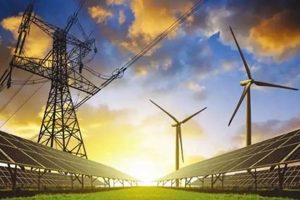
Technologies harnessing renewable resources, like solar, wind, hydro, geothermal, and biomass, are crucial for power generation, heating, transportation, and other essential services. For example, photovoltaic panels convert sunlight directly into electricity, while wind turbines capture kinetic energy from moving air. These methods minimize or eliminate greenhouse gas emissions and reliance on finite fossil fuels.
The shift towards these sustainable energy sources offers significant advantages, including reduced air pollution, enhanced energy security, and mitigation of climate change. Historically, energy production relied heavily on polluting resources. The growing awareness of environmental and geopolitical concerns has spurred significant investment and innovation in sustainable alternatives. This transition represents a pivotal step towards a more sustainable future.
Further exploration will cover specific sustainable technologies, their current applications, ongoing research and development efforts, and the policy landscape that shapes their adoption and integration into existing infrastructure.
Tips for Supporting Sustainable Energy
Individuals and communities can contribute to the growth and adoption of sustainable energy through informed choices and proactive measures.
Tip 1: Invest in Energy-Efficient Appliances: Choosing appliances with high energy efficiency ratings, such as Energy Star certified products, reduces electricity consumption and lowers long-term costs.
Tip 2: Explore Residential Renewable Energy Options: Rooftop solar panels, small-scale wind turbines, and geothermal heat pumps offer opportunities to generate clean energy at home.
Tip 3: Support Sustainable Transportation: Opting for public transport, cycling, walking, or electric vehicles minimizes reliance on fossil fuel-powered vehicles and reduces carbon emissions.
Tip 4: Advocate for Policy Changes: Supporting policies that incentivize renewable energy development and deployment, such as feed-in tariffs and tax credits, can accelerate the transition to a cleaner energy future.
Tip 5: Reduce Overall Energy Consumption: Practicing energy conservation measures, like turning off lights when leaving a room and using programmable thermostats, helps lower energy demand and minimizes environmental impact.
Tip 6: Educate and Engage: Sharing information about the benefits of sustainable energy with family, friends, and colleagues raises awareness and encourages wider adoption.
Tip 7: Invest in Sustainable Energy Companies: Supporting businesses that develop, produce, or utilize clean energy technologies through investments promotes innovation and market growth.
Embracing these practices contributes to a more sustainable future, reduces environmental impact, and fosters a more resilient and secure energy landscape.
These individual actions, combined with broader policy and technological advancements, are crucial for achieving a global transition to clean energy.
1. Renewable Sources

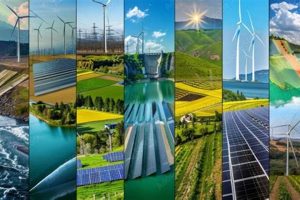
Renewable sources are fundamental to clean energy technology. Clean energy technologies derive their power from resources that naturally replenish, unlike finite fossil fuels. This reliance on renewable sources like solar, wind, hydro, geothermal, and biomass is the defining characteristic of clean energy technology. The sun’s energy drives photovoltaic panels, while wind turbines harness kinetic energy from moving air. Hydropower utilizes the potential energy of water stored at elevation, and geothermal systems tap into the Earth’s internal heat. Biomass energy derives from organic matter. These sources offer a sustainable alternative to fossil fuels, reducing dependence on finite resources and mitigating the environmental impact of energy production.
The practical application of renewable sources within clean energy technologies spans various sectors. Solar farms provide utility-scale electricity generation, while rooftop solar panels empower individual households. Wind farms, often located onshore and offshore, contribute significantly to national energy grids. Hydroelectric dams harness the power of rivers for electricity generation. Geothermal power plants provide a baseload power source in geologically active regions. Biomass energy, derived from sources like wood pellets and agricultural residues, offers a renewable alternative for heating and electricity generation. These diverse applications demonstrate the versatility and growing importance of renewable sources in the global energy landscape.
Renewable sources represent a crucial pathway toward a sustainable energy future. While challenges remain, such as intermittency of solar and wind power and the environmental impact of large-scale hydropower projects, ongoing technological advancements address these limitations. Improved energy storage solutions, smart grids, and innovative resource management strategies enhance the reliability and efficiency of renewable energy systems. The continued development and deployment of clean energy technologies based on renewable sources are essential for mitigating climate change, enhancing energy security, and fostering a more sustainable and resilient energy future.
2. Emission Reduction

Emission reduction is intrinsically linked to clean energy technology. Transitioning from fossil fuel-based energy systems to clean energy technologies is paramount for mitigating climate change and improving air quality. The core purpose of clean energy technologies is to significantly reduce or eliminate greenhouse gas emissions associated with energy production and consumption.
- Reduced Greenhouse Gas Emissions
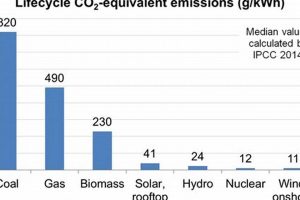
Clean energy technologies minimize or eliminate greenhouse gas emissions, such as carbon dioxide, methane, and nitrous oxide, which contribute to global warming and climate change. Replacing coal-fired power plants with solar or wind farms drastically reduces carbon emissions. This shift is critical for achieving climate goals and mitigating the adverse effects of climate change, such as rising sea levels, extreme weather events, and disruptions to ecosystems.
- Improved Air Quality
Traditional fossil fuel combustion releases pollutants like sulfur dioxide, nitrogen oxides, and particulate matter, which contribute to respiratory illnesses and other health problems. Clean energy technologies, by their nature, produce minimal or no air pollutants, leading to improved air quality and public health outcomes. For instance, electric vehicles powered by renewable energy sources significantly reduce urban air pollution compared to gasoline-powered vehicles.
- Decarbonizing Various Sectors
Emission reduction through clean energy technologies extends beyond electricity generation. Transportation, heating, and industrial processes can all be decarbonized through electrification powered by renewable sources, the use of biofuels, and the implementation of energy efficiency measures. Examples include electric buses replacing diesel buses in public transport systems and industrial facilities using geothermal energy for heating and cooling.
- Carbon Capture and Storage (CCS)
While not strictly a clean energy technology itself, CCS plays a role in emission reduction by capturing carbon dioxide emissions from power plants and industrial sources and storing them underground. CCS can be integrated with fossil fuel-based power plants to reduce their emissions, although it is crucial to prioritize the transition to clean energy sources to minimize reliance on fossil fuels in the long term.
These facets of emission reduction highlight the essential role of clean energy technologies in addressing climate change and creating a more sustainable future. The continued development and deployment of these technologies, coupled with supportive policies and regulations, are essential for achieving global emission reduction targets and mitigating the long-term impacts of climate change.
3. Sustainable Infrastructure

Sustainable infrastructure is essential for the effective integration and deployment of clean energy technologies. It provides the framework for harnessing renewable resources, transmitting clean energy, and ensuring its reliable delivery to consumers. Developing robust and sustainable infrastructure is crucial for maximizing the benefits of clean energy and transitioning towards a cleaner energy future. This involves modernizing existing grids, investing in new transmission lines, and implementing smart grid technologies to optimize energy flow and enhance grid stability.
- Grid Modernization
Modernizing existing power grids is crucial for accommodating the increasing influx of renewable energy sources. Traditional grids, designed primarily for centralized power generation from fossil fuel plants, are often ill-equipped to handle the intermittent nature of solar and wind power. Grid modernization involves upgrading transmission lines, incorporating advanced control systems, and implementing smart grid technologies to enhance flexibility, reliability, and resilience. For example, advanced grid management systems can predict and respond to fluctuations in renewable energy generation, ensuring a stable and balanced electricity supply.
- Transmission and Distribution Networks
Efficient transmission and distribution networks are vital for transporting clean energy from generation sources to end-users. This requires investing in new transmission lines, particularly in areas with high renewable energy potential, and upgrading existing infrastructure to minimize energy losses during transmission. High-voltage direct current (HVDC) lines, for instance, enable efficient long-distance transmission of electricity from remote renewable energy sources, such as offshore wind farms, to population centers.
- Energy Storage Solutions
Energy storage technologies play a critical role in addressing the intermittency of renewable energy sources. Batteries, pumped hydro storage, and other storage solutions store excess energy generated during periods of high renewable energy production and release it during periods of low production or high demand. This ensures a consistent and reliable supply of clean energy, even when the sun isn’t shining or the wind isn’t blowing. For example, large-scale battery storage systems can be integrated with solar and wind farms to provide grid stability and support increased renewable energy penetration.
- Smart Grid Technologies
Smart grids utilize digital technologies to optimize energy flow, enhance grid stability, and improve energy efficiency. Advanced sensors, communication networks, and data analytics enable real-time monitoring and control of energy distribution, allowing grid operators to respond quickly to changes in supply and demand. Smart meters, for instance, provide consumers with detailed information about their energy consumption, empowering them to make informed decisions and reduce their energy footprint. Demand-response programs, enabled by smart grid technologies, incentivize consumers to shift their energy usage to off-peak hours, further enhancing grid efficiency and reducing strain on the system.
These facets of sustainable infrastructure are interconnected and crucial for realizing the full potential of clean energy technologies. By investing in grid modernization, expanding transmission and distribution networks, deploying energy storage solutions, and implementing smart grid technologies, we can create a robust and resilient energy system that supports a sustainable energy future. This integrated approach is essential for decarbonizing the energy sector, mitigating climate change, and ensuring a secure and reliable energy supply for future generations.
4. Resource Efficiency

Resource efficiency is integral to clean energy technology, encompassing the entire lifecycle from material extraction and manufacturing to operation and decommissioning. Minimizing resource consumption and waste generation are key aspects of sustainable energy systems. This approach reduces environmental impact, enhances economic viability, and promotes responsible resource management. For example, designing wind turbine blades with recyclable materials reduces reliance on virgin resources and minimizes waste at the end of the turbine’s lifespan. Similarly, optimizing solar panel manufacturing processes to reduce water and energy consumption lowers the overall environmental footprint of solar energy.
The practical significance of resource efficiency within clean energy technologies manifests in several ways. Sustainable material sourcing, including recycled materials and materials with lower environmental impacts, reduces pressure on natural resources and minimizes habitat destruction. Improving manufacturing processes through lean manufacturing principles and closed-loop systems reduces waste generation and promotes circularity. Extending the operational lifespan of clean energy technologies through robust design and effective maintenance minimizes the need for frequent replacements and reduces overall resource consumption. Finally, implementing strategies for the reuse, recycling, and repurposing of components at the end of a technology’s lifespan further minimizes waste and recovers valuable materials. An example of this is repurposing retired electric vehicle batteries for stationary energy storage applications, giving them a second life and maximizing resource utilization.
Resource efficiency is not merely a supplementary aspect but a fundamental principle guiding the development and deployment of clean energy technologies. By prioritizing resource efficiency throughout the lifecycle of these technologies, we can minimize environmental impacts, enhance economic benefits, and contribute to a more sustainable and resilient energy future. Challenges remain, such as the development of cost-effective recycling processes for certain materials used in clean energy technologies. However, ongoing research and innovation are driving progress in this area, paving the way for even greater resource efficiency and a more circular economy within the clean energy sector.
5. Technological Innovation

Technological innovation is the driving force behind advancements in clean energy technology. Progress in areas such as materials science, energy storage, and smart grid technologies is essential for enhancing the efficiency, affordability, and reliability of clean energy systems. This innovation continually expands the possibilities of what clean energy can achieve, pushing the boundaries of efficiency, cost-effectiveness, and integration. For example, advancements in photovoltaic cell technology have led to significant increases in solar panel efficiency and reductions in cost, making solar energy a more competitive and accessible energy source. Similarly, breakthroughs in battery technology are improving the energy density and lifespan of batteries, enabling more effective energy storage solutions for renewable energy integration.
The practical implications of technological innovation within clean energy are far-reaching. Improved energy conversion efficiency leads to greater energy output from renewable sources. Advanced energy storage solutions address the intermittency challenges associated with solar and wind power, enhancing grid stability and reliability. Smart grid technologies optimize energy distribution, minimize transmission losses, and improve grid resilience. Furthermore, innovative manufacturing processes reduce the environmental footprint of clean energy technologies and enhance their overall sustainability. An example of this is the development of 3D-printed wind turbine blades, which can be manufactured on-site, reducing transportation costs and emissions. Similarly, the use of artificial intelligence and machine learning in optimizing the operation of solar and wind farms improves their efficiency and output.
Continued technological innovation is crucial for overcoming the remaining challenges in the clean energy transition. Further advancements in energy storage, grid management, and materials science are needed to fully realize the potential of clean energy. Moreover, innovation in areas such as carbon capture and utilization, as well as advanced nuclear technologies, may play a role in achieving deep decarbonization. While challenges remain, the ongoing pace of technological innovation provides grounds for optimism, offering pathways towards a more sustainable, secure, and affordable clean energy future.
6. Environmental Protection
Environmental protection is intrinsically linked to the development and deployment of clean energy technologies. Transitioning to clean energy sources offers a crucial pathway for mitigating environmental damage associated with traditional energy production and consumption. This shift addresses various environmental concerns, including climate change, air and water pollution, and habitat destruction, contributing to a healthier and more sustainable planet. Exploring the multifaceted relationship between environmental protection and clean energy technologies reveals the profound impact of this transition on safeguarding the environment.
- Climate Change Mitigation
Clean energy technologies play a pivotal role in mitigating climate change by significantly reducing greenhouse gas emissions. Replacing fossil fuel-based power generation with renewable energy sources, such as solar and wind, drastically reduces carbon dioxide emissions, a primary driver of global warming. This transition is crucial for limiting the increase in global average temperatures and mitigating the adverse effects of climate change, including rising sea levels, extreme weather events, and disruptions to ecosystems. For instance, replacing a coal-fired power plant with a solar farm significantly reduces carbon emissions, contributing to global climate change mitigation efforts.
- Air and Water Quality Improvement
Clean energy technologies offer significant improvements in air and water quality compared to traditional fossil fuel-based systems. Fossil fuel combustion releases pollutants such as sulfur dioxide, nitrogen oxides, and particulate matter, contributing to respiratory illnesses and other health problems. Clean energy sources produce minimal or no air pollutants, leading to cleaner air and improved public health outcomes. Furthermore, clean energy technologies reduce water pollution associated with fossil fuel extraction, transportation, and processing. For example, transitioning to electric vehicles powered by renewable energy reduces urban air pollution and associated health risks.
- Habitat Preservation
Clean energy technologies minimize the impact on natural habitats compared to traditional energy sources. Fossil fuel extraction, including coal mining and oil drilling, can cause significant habitat destruction and fragmentation. Clean energy technologies, particularly solar and wind power, have a smaller land footprint and can be deployed in ways that minimize habitat disruption. Rooftop solar installations, for example, utilize existing infrastructure and minimize land use impacts. Offshore wind farms can be designed to minimize disruption to marine ecosystems. By reducing reliance on extractive industries, clean energy technologies contribute to habitat preservation and biodiversity conservation.
- Reduced Waste Generation
Clean energy technologies offer opportunities for reducing waste generation compared to traditional energy systems. While the manufacturing of clean energy technologies does generate some waste, many components, such as solar panels and wind turbine blades, can be recycled or repurposed at the end of their lifespan. Moreover, ongoing research and development efforts focus on developing more sustainable materials and manufacturing processes for clean energy technologies, further minimizing waste generation and promoting a circular economy. For example, initiatives are underway to recycle retired electric vehicle batteries for stationary energy storage applications, maximizing resource utilization and minimizing waste.
These facets of environmental protection demonstrate the interconnectedness between clean energy technologies and a healthier planet. By reducing greenhouse gas emissions, improving air and water quality, preserving natural habitats, and minimizing waste generation, clean energy technologies contribute significantly to environmental sustainability. The continued development, deployment, and integration of these technologies are crucial for mitigating environmental challenges and ensuring a sustainable future for generations to come. Moreover, the environmental benefits of clean energy technologies extend beyond these direct impacts, contributing to broader ecological health and resilience.
Frequently Asked Questions about Clean Energy Technology
This section addresses common inquiries regarding clean energy technology, providing concise and informative responses.
Question 1: What are the primary types of clean energy technologies currently available?
Several clean energy technologies are currently in use, including solar (photovoltaic and concentrating solar power), wind (onshore and offshore), hydropower (conventional and pumped storage), geothermal, biomass, and marine energy (tidal and wave). Each technology harnesses a different renewable resource to generate power.
Question 2: How do clean energy technologies contribute to reducing greenhouse gas emissions?
Clean energy technologies generate electricity from renewable sources that do not emit greenhouse gases during operation. This is in contrast to fossil fuel-based power plants, which release significant amounts of carbon dioxide and other greenhouse gases into the atmosphere. By replacing fossil fuels with clean energy, overall greenhouse gas emissions are reduced, mitigating climate change.
Question 3: Are clean energy technologies reliable enough to meet current and future energy demands?
The reliability of clean energy technologies is continuously improving. While some resources, like solar and wind, are intermittent, advancements in energy storage technologies, grid management systems, and forecasting capabilities are enhancing their reliability. Diversifying renewable energy sources and integrating them into a smart grid further enhances system stability and ensures a consistent energy supply.
Question 4: What are the economic benefits of transitioning to clean energy technologies?
Transitioning to clean energy creates economic opportunities through job creation in manufacturing, installation, maintenance, and research and development. It also reduces dependence on volatile fossil fuel markets, enhancing energy independence and price stability. Furthermore, clean energy investments stimulate economic growth and innovation.
Question 5: What are the environmental impacts of clean energy technologies?
While clean energy technologies have significantly lower environmental impacts than fossil fuels, some impacts exist. Land use requirements for solar and wind farms, water usage for hydropower, and the manufacturing processes for clean energy components all have environmental considerations. However, lifecycle assessments demonstrate that the overall environmental benefits of clean energy significantly outweigh these impacts.
Question 6: How can governments and individuals support the growth of clean energy technologies?
Governments can implement policies that incentivize clean energy development and deployment, such as tax credits, feed-in tariffs, and renewable portfolio standards. Individuals can support clean energy by investing in energy-efficient appliances, exploring residential renewable energy options, advocating for supportive policies, and making conscious choices about their energy consumption.
Understanding the answers to these questions is crucial for informed decision-making and effective engagement in the transition to a clean energy future.
The subsequent section will explore specific clean energy technologies in greater detail, examining their unique characteristics, advantages, and challenges.
Conclusion
Clean energy technology, encompassing a diverse range of renewable energy sources and supporting infrastructure, represents a critical pathway toward a sustainable energy future. This exploration has highlighted the core components of clean energy technology, including its reliance on renewable resources, its role in emission reduction, the importance of sustainable infrastructure, the emphasis on resource efficiency, the driving force of technological innovation, and its fundamental connection to environmental protection. From harnessing solar and wind power to utilizing geothermal and biomass energy, these technologies offer viable alternatives to fossil fuels, reducing reliance on finite resources and mitigating the environmental impacts associated with traditional energy production.
The transition to clean energy technology is not merely a technological endeavor; it represents a societal imperative. Addressing climate change, enhancing energy security, and fostering a healthier environment require a concerted global effort to embrace and accelerate the adoption of these technologies. Continued investment in research, development, and deployment, coupled with supportive policies and informed public discourse, will be crucial for realizing the full potential of clean energy technology and securing a sustainable energy future for generations to come. The future of energy hinges on the widespread adoption and continued advancement of these critical technologies.