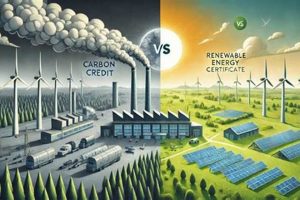
Harnessing sustainable sources like solar, wind, and hydro power to generate electricity for ammonia production offers a pathway to decarbonize this vital industrial process. This “green” approach differs significantly from traditional methods reliant on fossil fuels, resulting in a chemical compound with a substantially reduced carbon footprint. For instance, electrolysis powered by renewable energy can split water into hydrogen, a key component in synthesizing ammonia. This method eliminates the greenhouse gas emissions associated with conventional steam methane reforming.
Decarbonized ammonia synthesis presents significant advantages for a sustainable future. It offers a viable route to reduce reliance on fossil fuels in a crucial industrial sector. Furthermore, it provides a method for storing and transporting renewable energy in a chemical form, addressing the intermittency challenges associated with sources like solar and wind power. Historically, ammonia production has been a significant source of greenhouse gas emissions. The transition to renewable-based synthesis represents a crucial step toward mitigating climate change and ensuring energy security.
This exploration delves into the multifaceted aspects of sustainable ammonia production, examining the technologies, economic considerations, and environmental impact of this promising energy carrier. Subsequent sections will cover specific production methods, storage and transportation infrastructure, and the evolving role of ammonia in a global transition to cleaner energy systems.
Tips for Implementing Ammonia as a Renewable Energy Carrier
Successful integration of renewably produced ammonia requires careful consideration of various factors, from production methods to infrastructure development. The following tips offer guidance for stakeholders across the energy sector.
Tip 1: Prioritize Green Hydrogen Production: Ensure the hydrogen used in ammonia synthesis is derived from renewable sources like electrolysis powered by wind or solar energy. This minimizes the carbon footprint and aligns with sustainability goals.
Tip 2: Invest in Efficient Electrolyzer Technologies: Advancements in electrolyzer technology are crucial for cost-effective green hydrogen production. Supporting research and development in this area is essential for widespread adoption.
Tip 3: Develop Robust Storage and Transportation Infrastructure: Ammonia requires specific infrastructure for safe and efficient storage and transportation. Investment in dedicated pipelines, terminals, and storage facilities is critical for successful implementation.
Tip 4: Explore Co-firing with Existing Power Plants: Ammonia can be co-fired with existing fossil fuels in power plants, offering a transitional approach to reducing carbon emissions while utilizing existing infrastructure.
Tip 5: Support Policy Frameworks that Incentivize Green Ammonia: Government policies play a vital role in promoting the adoption of renewable energy technologies. Supportive frameworks, such as carbon pricing and tax incentives, can accelerate the transition to green ammonia.
Tip 6: Foster International Collaboration: Global cooperation is essential for sharing best practices, coordinating research efforts, and establishing international standards for ammonia as a renewable energy carrier.
Implementing these strategies can facilitate a smoother transition toward a sustainable energy future powered by green ammonia, offering significant benefits for the environment and global energy security.
The insights provided in this section offer a practical roadmap for navigating the complexities of ammonia as a renewable energy carrier. The concluding section will summarize key takeaways and offer a perspective on the future of this promising technology.
1. Green Ammonia Synthesis

Green ammonia synthesis lies at the heart of ammonia renewable energy. Conventional ammonia production relies heavily on fossil fuels, primarily natural gas, through a process called steam methane reforming. This process releases significant amounts of carbon dioxide. Green ammonia synthesis, conversely, employs renewable energy sources to generate the hydrogen required for ammonia production. This decoupling from fossil fuels fundamentally transforms ammonia into a renewable energy carrier. The primary method for green ammonia synthesis involves water electrolysis powered by renewable electricity sources such as wind, solar, or hydro. The generated hydrogen is then reacted with nitrogen from the air in the Haber-Bosch process to produce ammonia. For example, a solar farm powering an electrolyzer can create the green hydrogen needed for a nearby ammonia plant, resulting in a carbon-neutral final product. This approach minimizes the environmental impact of ammonia production and contributes to decarbonizing the chemical industry.
The importance of green ammonia synthesis stems from its ability to address the carbon intensity of traditional ammonia production. By utilizing renewable energy sources, it reduces greenhouse gas emissions substantially. Furthermore, green ammonia offers a pathway for storing and transporting renewable energy. Excess renewable electricity can be converted into ammonia, effectively storing the energy in a chemical form that can be transported and utilized later. This characteristic is particularly relevant for addressing the intermittency challenges associated with renewable energy sources like solar and wind power. Practical applications include powering remote areas, providing fuel for transportation, and serving as a feedstock for various industrial processes. For instance, pilot projects are exploring the use of green ammonia as a maritime fuel, aiming to decarbonize the shipping industry.
In conclusion, green ammonia synthesis is the cornerstone of ammonia renewable energy. Its reliance on renewable energy sources transforms a traditionally carbon-intensive process into a sustainable and environmentally friendly one. This shift not only reduces greenhouse gas emissions but also enables the storage and transportation of renewable energy, offering a practical solution to intermittency challenges. The successful development and widespread adoption of green ammonia synthesis are crucial for realizing the full potential of ammonia as a key component of a sustainable energy future. However, challenges remain, including the scalability and cost-effectiveness of green hydrogen production, requiring further research and development to optimize these processes.
2. Storage and Transportation

Ammonia’s efficacy as a renewable energy carrier hinges significantly on efficient and safe storage and transportation solutions. Unlike electricity, which requires complex and often expensive battery technology for storage, ammonia can be stored in liquid form at relatively low pressures or refrigerated at -33C. This characteristic makes it more practical and cost-effective to store large amounts of energy derived from renewable sources for extended periods. Furthermore, existing infrastructure, such as pipelines and tanks initially designed for conventional ammonia, can be adapted for renewable ammonia, offering a potential advantage in terms of cost and implementation speed. For example, repurposing existing pipelines could significantly reduce the investment needed to establish a comprehensive ammonia distribution network. This adaptability makes ammonia an attractive option for regions with existing ammonia infrastructure looking to transition towards renewable energy solutions.
Transporting ammonia presents both opportunities and challenges. Existing shipping routes and port facilities accustomed to handling conventional ammonia can be utilized for its renewable counterpart. This leverages established global networks and reduces the need for extensive new infrastructure investments. Specialized tankers already transport significant quantities of ammonia globally, demonstrating the feasibility of large-scale ammonia shipping. However, safety protocols must be meticulously followed due to ammonia’s toxicity and corrosiveness. Developing and implementing robust safety regulations and training programs for handling and transport are critical. Innovations in transportation technologies, such as using ammonia as a fuel directly in ships’ engines, offer potential efficiency gains and further reduce the carbon footprint of global shipping. Pilot projects are currently underway exploring these applications, paving the way for a potential shift towards ammonia-fueled maritime transport.
In summary, effective storage and transportation strategies are essential for unlocking ammonia’s full potential as a renewable energy carrier. Leveraging existing infrastructure offers cost advantages and accelerates implementation. However, safety considerations and ongoing technological advancements are crucial for ensuring responsible and efficient handling throughout the supply chain. Addressing these challenges through rigorous safety protocols and continued research will be instrumental in integrating ammonia into a sustainable global energy system. The development of standardized international regulations and best practices will further facilitate safe and efficient ammonia storage and transport, enabling broader adoption of this promising renewable energy vector.
3. Energy Carrier

Ammonia’s potential as an energy carrier stems from its ability to store and release energy efficiently. The chemical bonds within ammonia molecules hold significant energy content, which can be released through combustion or used in fuel cells to generate electricity. This characteristic makes ammonia a viable option for transporting and utilizing energy generated from renewable sources, effectively addressing the intermittency challenges associated with solar and wind power. For instance, excess solar energy generated during peak sunlight hours can be used to produce green ammonia, which can then be stored and used to generate electricity during periods of low solar irradiance. This capability enables a more consistent and reliable energy supply from intermittent renewable sources, enhancing grid stability and reducing reliance on fossil fuel-based backup power.
The practical significance of ammonia as an energy carrier is amplified by its existing global infrastructure. The well-established production, storage, and transportation networks for traditional ammonia can be adapted for its renewable counterpart, minimizing the need for extensive new infrastructure development. This existing infrastructure represents a significant advantage in terms of cost-effectiveness and speed of implementation compared to building new infrastructure from scratch for other energy carriers. Furthermore, ammonia’s high energy density relative to hydrogen makes it more efficient to transport over long distances, enhancing its suitability for international energy trade. For example, renewable ammonia produced in regions with abundant solar or wind resources could be exported to regions with higher energy demands, facilitating a global transition to renewable energy sources.
In conclusion, ammonia’s capacity to store and release energy, coupled with its existing global infrastructure, positions it as a promising energy carrier for a sustainable future. Its ability to address the intermittency of renewable energy sources and facilitate long-distance energy transport offers significant advantages over other energy storage and transport options. While challenges remain, including optimizing the efficiency of ammonia-based energy conversion technologies and ensuring safe handling practices, the potential of ammonia as a key component of a global renewable energy system is substantial. Further research and development, coupled with supportive policy frameworks, are crucial for realizing this potential and integrating ammonia effectively into the future energy landscape.
4. Emissions Reduction

Emissions reduction represents a central driver for the development and adoption of renewable ammonia. Conventional ammonia production, reliant on fossil fuels, contributes significantly to greenhouse gas emissions. Renewable ammonia synthesis, utilizing green hydrogen derived from renewable energy sources like wind or solar power, offers a pathway to decarbonize this essential industrial process. The substitution of fossil fuels with renewable energy in ammonia production directly reduces carbon dioxide emissions, mitigating the environmental impact of this widely used chemical. This shift aligns with global efforts to mitigate climate change and transition towards a more sustainable chemical industry. For example, a fertilizer plant transitioning from conventional ammonia production to green ammonia synthesis powered by a nearby wind farm significantly reduces its carbon footprint, demonstrating a tangible example of emissions reduction through renewable ammonia.
The practical significance of emissions reduction through renewable ammonia extends beyond the chemical industry itself. Ammonia can serve as a carbon-free fuel for various applications, including power generation, transportation, and heating. Using renewable ammonia in these sectors displaces fossil fuels, further contributing to overall emissions reductions. For instance, using ammonia in shipping, a sector heavily reliant on fossil fuels, offers substantial potential for decarbonization. Furthermore, ammonia’s use as a storage medium for renewable energy facilitates greater integration of intermittent sources like solar and wind power into energy systems. This integration allows for a more consistent and reliable renewable energy supply, further reducing reliance on fossil fuel-based power generation. This synergistic effect amplifies the overall impact of renewable ammonia on emissions reduction across multiple sectors.
In conclusion, emissions reduction is intrinsically linked to the development and implementation of renewable ammonia. Its potential to decarbonize ammonia production and serve as a carbon-free fuel across multiple sectors positions it as a crucial component in global efforts to mitigate climate change. While challenges remain, such as scaling up green ammonia production and adapting existing infrastructure, the potential for significant emissions reductions through the adoption of renewable ammonia is substantial. Continued research, technological advancements, and supportive policy frameworks are essential to fully realize the emissions reduction potential of this promising technology and pave the way for a more sustainable future. Integrating renewable ammonia into existing industrial processes and developing new applications will be key to maximizing its contribution to global climate goals.
5. Future Fuel

Ammonia’s potential as a future fuel is intrinsically linked to the advancement of renewable energy technologies. As the global energy landscape shifts towards decarbonization, the need for carbon-free fuels intensifies. Renewable ammonia, produced using green hydrogen derived from renewable energy sources, emerges as a strong contender to address this need. Its high energy density, ease of storage and transport, and potential for use in various applications, including power generation, heating, and transportation, position it as a versatile and promising future fuel. This potential is particularly significant in sectors like heavy-duty transport and shipping, where electrification faces challenges due to weight and range limitations. For instance, maritime shipping, a significant contributor to global greenhouse gas emissions, could leverage ammonia as a carbon-free fuel, significantly reducing its environmental impact. The development of ammonia-powered engines and fuel cells is crucial for realizing this potential. Pilot projects exploring ammonia-fueled ships are already underway, demonstrating the practical feasibility of this application.
The transition to ammonia as a future fuel requires significant infrastructure development and technological advancements. While existing ammonia infrastructure can be adapted for renewable ammonia, further investments in storage, transportation, and distribution networks are necessary. Moreover, research and development efforts are crucial for optimizing ammonia combustion technologies and improving the efficiency of ammonia fuel cells. Collaboration between research institutions, industry stakeholders, and policymakers is essential to accelerate this transition. For example, government incentives and regulations supporting the use of renewable ammonia can stimulate private sector investment and accelerate the development of necessary technologies. International cooperation is also critical for establishing common standards and ensuring interoperability across different regions, facilitating the global adoption of ammonia as a future fuel.
In summary, renewable ammonia holds significant promise as a future fuel, offering a pathway to decarbonize various sectors and contribute to a more sustainable energy future. Realizing this potential requires overcoming challenges related to infrastructure development and technological advancements. However, the ongoing research, pilot projects, and increasing policy support suggest a growing momentum behind ammonia’s role as a future fuel. Successfully integrating ammonia into the future energy mix requires a concerted effort from all stakeholders, fostering innovation, and ensuring a safe and efficient transition towards a cleaner and more sustainable energy landscape. The long-term success of ammonia as a future fuel will depend on continued progress in these areas, paving the way for a truly decarbonized energy system.
Frequently Asked Questions about Ammonia Renewable Energy
This section addresses common inquiries regarding the use of ammonia as a renewable energy carrier, offering concise and informative responses.
Question 1: How does renewable ammonia differ from conventionally produced ammonia?
Conventional ammonia production relies on fossil fuels, primarily natural gas, resulting in significant carbon dioxide emissions. Renewable ammonia utilizes green hydrogen produced from renewable energy sources, resulting in a significantly lower carbon footprint.
Question 2: What are the primary benefits of using ammonia as a renewable energy carrier?
Ammonia offers high energy density, ease of storage and transport, and can be utilized in various applications, including power generation, heating, and transportation. It provides a solution for storing and transporting energy from intermittent renewable sources.
Question 3: What are the main challenges associated with implementing ammonia as a fuel source?
Challenges include the scalability and cost-competitiveness of green ammonia production, the need for safety protocols due to ammonia’s toxicity, and the development of efficient ammonia-based energy conversion technologies.
Question 4: How does ammonia contribute to reducing greenhouse gas emissions?
Renewable ammonia production eliminates the carbon emissions associated with conventional ammonia synthesis. Utilizing ammonia as a fuel further reduces emissions by displacing fossil fuels in various sectors.
Question 5: What infrastructure adaptations are required for the widespread adoption of ammonia fuel?
While existing ammonia infrastructure can be partially repurposed, investments are needed in storage facilities, transportation networks (pipelines, tankers), and refueling infrastructure tailored to ammonia’s properties.
Question 6: What is the current status of research and development in ammonia energy technologies?
Research is ongoing in areas such as improving the efficiency of green hydrogen production, developing advanced ammonia fuel cells and combustion engines, and exploring safe and efficient ammonia storage and transportation solutions.
Understanding the benefits and challenges associated with renewable ammonia is crucial for informed decision-making and effective implementation of this promising energy carrier.
The following section will delve deeper into specific case studies and real-world examples of renewable ammonia implementation across various sectors.
Conclusion
This exploration has examined the multifaceted potential of ammonia as a renewable energy carrier. From its production through green hydrogen synthesis to its storage, transportation, and diverse applications as a fuel, the analysis reveals a promising pathway towards decarbonizing various sectors. Key advantages, including high energy density, ease of storage, and the adaptability of existing infrastructure, position ammonia as a viable alternative to fossil fuels. However, challenges remain, notably the scalability and cost-competitiveness of green ammonia production and the need for robust safety protocols throughout the supply chain. Addressing these challenges through ongoing research, technological advancements, and supportive policy frameworks is crucial for widespread adoption.
The transition to a sustainable energy future necessitates exploring and implementing innovative solutions. Ammonia renewable energy presents a significant opportunity to reduce greenhouse gas emissions, enhance energy security, and facilitate a global shift towards cleaner energy systems. Continued investment in research, development, and deployment of ammonia technologies is essential. The future of ammonia as a key component of a decarbonized world hinges on collaborative efforts across industry, academia, and government to unlock its full potential and pave the way for a more sustainable future.