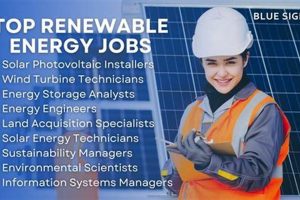
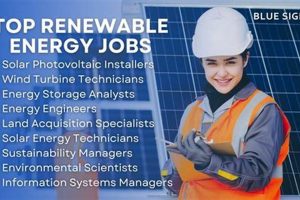
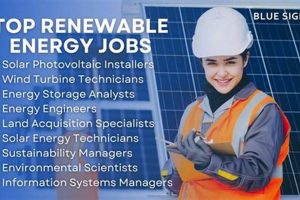
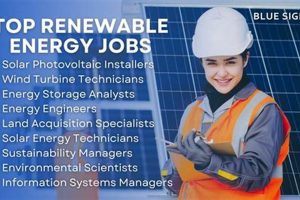
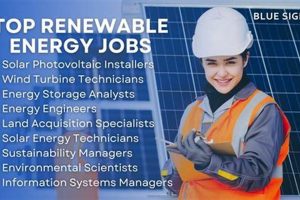
High-earning career opportunities within the sustainable energy sector encompass a range of specializations, from engineering and project management to finance and research. Examples include roles like wind turbine technician, solar project developer, and environmental engineer. These positions often demand specialized skills and education but offer substantial compensation in return.
The growing demand for skilled professionals in this field reflects the global shift towards cleaner energy sources. This transition presents not only compelling career prospects but also contributes significantly to environmental sustainability and economic growth. Historically, compensation in this sector has been influenced by factors such as technological advancements, government policies, and public awareness regarding climate change.
The following sections will delve into specific career paths within the renewable energy sector, outlining required qualifications, potential salary expectations, and future growth projections. Further exploration will also address the evolving landscape of this dynamic industry and its impact on employment opportunities.
Tips for Pursuing Lucrative Renewable Energy Careers
Strategic career planning is essential for professionals seeking high-earning positions within the renewable energy sector. The following tips offer guidance for navigating this dynamic and competitive field.
Tip 1: Specialize in high-demand areas. Focus on developing expertise in areas experiencing rapid growth, such as offshore wind energy, energy storage solutions, or smart grid technologies. These specializations often command higher salaries due to the scarcity of qualified professionals.
Tip 2: Obtain relevant certifications and licenses. Industry-recognized certifications and professional licenses demonstrate competency and can enhance earning potential. Examples include certifications in solar photovoltaic installation, wind turbine maintenance, or energy auditing.
Tip 3: Develop strong project management skills. Renewable energy projects often involve complex logistical and technical challenges. Demonstrated project management experience can significantly increase marketability and compensation.
Tip 4: Network with industry professionals. Attending industry conferences, joining professional organizations, and engaging with online communities can provide valuable networking opportunities and insights into emerging trends and job openings.
Tip 5: Consider advanced education. A master’s degree or doctorate in a relevant field, such as renewable energy engineering or environmental science, can open doors to higher-paying research, development, and leadership roles.
Tip 6: Stay informed about policy and market trends. Government policies, technological advancements, and market dynamics significantly influence the renewable energy landscape. Staying abreast of these developments is crucial for making informed career decisions.
Tip 7: Develop strong analytical and problem-solving skills. The ability to analyze data, identify solutions, and optimize energy systems is highly valued in the renewable energy sector.
By focusing on these key areas, individuals can position themselves for rewarding and financially lucrative careers in the rapidly expanding field of renewable energy.
In conclusion, the transition to a sustainable energy future presents significant career opportunities for skilled professionals. Strategic career planning, coupled with a commitment to continuous learning and professional development, is essential for maximizing earning potential in this dynamic and impactful industry.
1. Engineering

Engineering disciplines form a cornerstone of the renewable energy sector, driving innovation and implementation of sustainable technologies. The connection between engineering and high-paying jobs in this field is undeniable. Demand for specialized engineering expertise translates directly into competitive salaries for professionals capable of designing, building, and maintaining these complex systems. For example, wind energy requires structural engineers to design turbine towers capable of withstanding extreme weather conditions, while solar energy relies on electrical engineers to optimize photovoltaic systems for maximum energy generation.
Specific engineering roles within the renewable energy sector include wind farm engineers, solar power engineers, energy storage engineers, and bioenergy engineers. These professionals tackle diverse challenges, from maximizing energy output to integrating renewable sources into existing power grids. The practical significance of this engineering expertise lies in its contribution to a sustainable future, reducing reliance on fossil fuels and mitigating the effects of climate change. Real-world examples include the development of advanced wind turbine designs that increase efficiency and lower costs, and the creation of innovative energy storage solutions that enable greater integration of intermittent renewable resources.
The evolving nature of renewable energy technologies presents ongoing challenges and opportunities for engineers. Continuous innovation in areas like smart grids, energy efficiency, and next-generation materials necessitates ongoing professional development and specialized training. Meeting these challenges will ensure a robust pipeline of highly skilled engineers capable of driving the continued growth and advancement of the renewable energy sector and securing its position as a source of high-paying, impactful careers.
2. Management

Effective management plays a crucial role in the success of renewable energy projects, impacting profitability, efficiency, and overall sustainability. Leadership positions within this sector require a blend of technical expertise, financial acumen, and strategic vision. This combination of skills commands competitive compensation, making management a key area for those seeking lucrative careers in renewable energy.
- Project Management
Project managers oversee all phases of renewable energy projects, from initial planning and development to construction, commissioning, and operation. They manage budgets, timelines, and resources, ensuring projects are completed on time and within budget. Real-world examples include managing the construction of a large-scale solar farm or overseeing the installation of offshore wind turbines. Successful project management is critical for maximizing return on investment and ensuring the long-term viability of renewable energy projects, thus attracting higher salaries for experienced professionals.
- Operations Management
Operations managers focus on the efficient and reliable performance of renewable energy facilities. They oversee maintenance schedules, optimize energy output, and ensure compliance with safety regulations. Examples include managing the day-to-day operations of a wind farm or a biomass power plant. Effective operations management is crucial for maximizing energy generation and minimizing downtime, contributing directly to the profitability of renewable energy ventures and consequently, higher compensation for skilled managers.
- Business Development
Business development managers identify new market opportunities, negotiate contracts, and secure financing for renewable energy projects. They play a key role in the growth and expansion of the industry. Real-world examples include securing land leases for solar farms or negotiating power purchase agreements with utilities. Successful business development contributes directly to the financial success of renewable energy companies, leading to competitive compensation for professionals with strong business acumen.
- Asset Management
Asset managers oversee the financial performance of renewable energy investments. They analyze market trends, manage risks, and optimize investment strategies to maximize returns. Examples include managing a portfolio of solar projects or overseeing the financial performance of a wind farm. Effective asset management is crucial for attracting and retaining investors, driving further growth in the renewable energy sector and creating demand for experienced asset managers, which translates into higher salaries.
These diverse management roles highlight the breadth of opportunities available within the renewable energy sector. The growing demand for skilled managers, coupled with the increasing financial significance of the industry, ensures that these positions remain highly competitive and offer substantial earning potential for professionals capable of navigating the complex challenges and opportunities of this dynamic field.
3. Research & Development

Research and development (R&D) forms the foundation for innovation within the renewable energy sector, directly influencing the creation of higher-paying, specialized roles. Advancements in areas like solar cell efficiency, wind turbine aerodynamics, and energy storage technologies create demand for highly skilled scientists, engineers, and technicians. This demand translates into competitive salaries and lucrative career opportunities for individuals at the forefront of technological advancement. For example, breakthroughs in materials science leading to more efficient and durable solar panels create specialized roles in material synthesis, characterization, and testing. Similarly, developing advanced control systems for optimizing wind farm energy output necessitates expertise in software engineering, data analytics, and automation.
The practical significance of R&D in renewable energy is evident in its contribution to cost reduction, performance improvement, and the development of entirely new energy solutions. For instance, research into perovskite solar cells aims to create more efficient and cost-effective alternatives to traditional silicon-based cells, creating opportunities for specialized roles in material science and device fabrication. Similarly, the development of advanced battery storage technologies, crucial for integrating intermittent renewable sources into the grid, drives demand for experts in electrochemistry, battery management systems, and power electronics. These examples illustrate how R&D not only generates high-paying jobs but also contributes directly to the growth and sustainability of the renewable energy sector as a whole. Moreover, the interdisciplinary nature of renewable energy R&D fosters collaboration between different scientific and engineering fields, further enhancing innovation and creating diverse career pathways.
Continued investment in R&D is essential for maintaining the momentum of the renewable energy transition and ensuring a pipeline of well-compensated, specialized jobs. Addressing challenges like improving energy storage technologies, developing more efficient and sustainable manufacturing processes, and integrating renewable energy sources into existing infrastructure requires ongoing research and innovation. This ongoing commitment to R&D will not only drive technological advancements but also secure the renewable energy sector’s position as a source of high-paying, impactful careers for years to come.
4. Finance
Financial expertise plays a critical role in the growth and development of the renewable energy sector, directly influencing the availability of high-paying jobs. Investment decisions, risk management strategies, and financial modeling expertise are essential for funding large-scale projects, driving innovation, and ensuring the economic viability of renewable energy ventures. This demand for specialized financial skills translates into competitive salaries and lucrative career opportunities for professionals capable of navigating the complex financial landscape of this rapidly evolving industry.
- Investment Analysis
Investment analysts evaluate the financial viability of renewable energy projects, assessing risks and potential returns to guide investment decisions. They conduct due diligence on projects, analyze market trends, and develop financial models to forecast future performance. Real-world examples include assessing the profitability of a proposed wind farm or evaluating the investment potential of a new solar technology. Accurate investment analysis is crucial for attracting capital and ensuring the successful deployment of renewable energy projects, driving demand for skilled analysts and contributing to higher salaries in this field.
- Project Finance
Project finance specialists structure and secure financing for large-scale renewable energy projects. They work with developers, investors, and lenders to arrange debt and equity financing, negotiate terms, and manage financial risks. Examples include securing financing for the construction of a solar power plant or arranging debt financing for an offshore wind farm. Expertise in project finance is essential for mobilizing the significant capital required for these projects, making this a highly sought-after skill set and driving competitive compensation.
- Risk Management
Risk managers identify and mitigate financial risks associated with renewable energy investments. They analyze market volatility, regulatory changes, and technological uncertainties to develop strategies for minimizing potential losses. Examples include managing currency exchange rate risks for international projects or assessing the impact of policy changes on project profitability. Effective risk management is crucial for protecting investments and ensuring the long-term financial stability of renewable energy ventures, leading to high demand and competitive salaries for skilled risk professionals.
- Green Finance
Green finance specialists focus on investments that promote environmental sustainability. They structure and manage financial instruments, such as green bonds and sustainability-linked loans, to channel capital towards renewable energy and other environmentally friendly projects. Real-world examples include structuring green bonds to finance the construction of a wind farm or arranging a sustainability-linked loan for a solar energy company. The increasing focus on sustainable investing is driving demand for expertise in green finance, creating lucrative career opportunities and higher salaries for professionals with this specialized knowledge.
These diverse financial roles highlight the interconnectedness of finance and the renewable energy sector. The increasing scale and complexity of renewable energy projects, coupled with the growing emphasis on sustainable investing, ensure that financial expertise remains a critical driver of growth and a source of high-paying jobs within this dynamic and impactful industry.
5. Sales & Marketing

Effective sales and marketing strategies are essential for driving the widespread adoption of renewable energy technologies and creating lucrative career opportunities. Professionals in these roles play a crucial part in connecting consumers, businesses, and governments with sustainable energy solutions. The ability to communicate the value proposition of renewable energy, build strong customer relationships, and develop effective marketing campaigns directly influences market growth and, consequently, the demand for skilled sales and marketing professionals, leading to competitive salaries and attractive career paths.
- Business-to-Business (B2B) Sales
B2B sales professionals in the renewable energy sector focus on selling products and services to businesses, utilities, and government agencies. This can involve selling solar panel installations to commercial clients, negotiating power purchase agreements with utilities, or marketing energy storage solutions to industrial customers. Successful B2B sales professionals possess strong technical knowledge, negotiation skills, and the ability to understand complex customer needs. The increasing demand from businesses seeking to reduce their carbon footprint and adopt sustainable practices is driving the need for skilled B2B sales professionals, leading to higher earning potential in this area.
- Residential Sales
Residential sales professionals focus on selling renewable energy solutions to homeowners, such as rooftop solar panels, home battery systems, and energy efficiency upgrades. They educate consumers about the benefits of renewable energy, conduct site assessments, and design customized solutions to meet individual needs. Strong communication and interpersonal skills are crucial for success in residential sales, as is the ability to build trust and rapport with homeowners. The growing adoption of residential renewable energy systems is creating a strong demand for skilled sales professionals, contributing to competitive salaries and attractive commission structures.
- Marketing & Communications
Marketing and communications professionals develop and implement strategies to promote renewable energy products and services. They create marketing campaigns, manage public relations, and engage with stakeholders through various channels, including social media, websites, and industry events. Strong communication skills, creativity, and an understanding of the renewable energy landscape are essential for success in this field. As public awareness and acceptance of renewable energy continue to grow, so too does the demand for skilled marketing and communications professionals, leading to competitive salaries and diverse career opportunities.
- Product Management
Product managers in the renewable energy sector play a key role in defining and developing new products and services. They conduct market research, analyze customer needs, and work with engineers and designers to bring innovative solutions to market. Strong analytical skills, technical knowledge, and an understanding of market trends are essential for success in product management. The rapid pace of technological innovation in the renewable energy industry creates ongoing demand for skilled product managers, making this a highly sought-after and well-compensated role.
The evolving landscape of the renewable energy sector, coupled with increasing public awareness and policy support, creates ongoing opportunities for skilled sales and marketing professionals. The ability to effectively communicate the value proposition of renewable energy, build strong customer relationships, and adapt to evolving market dynamics ensures that these roles remain highly sought after and offer significant earning potential within this rapidly growing industry.
6. Policy & Legal
The intersection of policy and law with the renewable energy sector significantly influences the availability of high-paying jobs. Government regulations, incentives, and legal frameworks shape market dynamics, investment decisions, and the overall growth of the industry. Expertise in navigating this complex landscape is essential for developing successful projects, ensuring regulatory compliance, and mitigating legal risks, thus creating a demand for specialized legal and policy professionals and driving competitive compensation in this field. For example, tax credits and subsidies for renewable energy projects can create significant financial incentives for developers, driving investment and creating demand for legal professionals specializing in tax law and regulatory compliance. Similarly, international trade agreements and environmental regulations can influence the import and export of renewable energy technologies, creating opportunities for specialists in international trade law and environmental policy. The practical significance of this understanding lies in its ability to unlock investment, accelerate project development, and ensure the long-term sustainability of the renewable energy sector.
Several specialized roles highlight the connection between policy and law and high-paying jobs in renewable energy. Energy lawyers specialize in the legal aspects of renewable energy project development, including contract negotiation, regulatory compliance, and dispute resolution. Policy analysts research and analyze energy policies, providing insights to government agencies, businesses, and non-profit organizations. Regulatory affairs specialists ensure compliance with environmental regulations and permitting requirements. Lobbyists advocate for policies that support the growth of the renewable energy industry. Real-world examples include energy lawyers negotiating power purchase agreements for wind farms, policy analysts evaluating the impact of carbon pricing mechanisms, and regulatory affairs specialists securing permits for solar power plants. These specialized roles are crucial for navigating the complex regulatory landscape and ensuring the successful implementation of renewable energy projects, thus contributing to the financial success of the industry and driving demand for experienced professionals, which translates into higher salaries.
The evolving policy and legal landscape surrounding renewable energy presents ongoing challenges and opportunities. As governments around the world strive to meet ambitious climate targets, the demand for skilled legal and policy professionals will continue to grow. Adapting to new regulations, navigating international agreements, and addressing emerging legal issues related to energy storage, grid integration, and land use will require ongoing specialization and expertise. Meeting these challenges will ensure a robust pipeline of highly skilled professionals capable of shaping the future of the renewable energy sector and securing its position as a source of high-paying, impactful careers. Further, understanding the interplay of policy, law, and finance is crucial for maximizing the effectiveness of renewable energy investments and driving sustainable growth in the sector. This understanding is not only essential for individual career advancement but also for the collective effort to transition towards a cleaner energy future.
Frequently Asked Questions
The following addresses common inquiries regarding lucrative career paths within the renewable energy sector.
Question 1: What are the typical educational requirements for high-paying renewable energy jobs?
Many roles require at least a bachelor’s degree in engineering, science, or a related field. Advanced degrees, such as a master’s or doctorate, can be advantageous for research, development, and leadership positions. Specialized certifications also enhance marketability.
Question 2: How does experience influence earning potential in this sector?
Experience significantly impacts compensation. Entry-level positions typically offer lower salaries, while senior roles with demonstrated expertise and leadership experience command significantly higher compensation.
Question 3: Are high-paying renewable energy jobs geographically concentrated?
While some regions may offer more abundant opportunities due to favorable policy landscapes or resource availability, the demand for skilled professionals is increasing globally as the transition to renewable energy accelerates.
Question 4: How can one stay updated on emerging trends and job opportunities in this rapidly evolving field?
Staying informed requires active engagement with industry publications, professional organizations, and online resources. Attending conferences and networking events also provides valuable insights into market trends and potential job openings.
Question 5: Are there transferable skills from other industries that are valuable in renewable energy?
Yes, skills in project management, data analysis, engineering, finance, and sales are highly transferable and valued within the renewable energy sector. Adapting these skills to the specific context of renewable energy can open up various career paths.
Question 6: What is the long-term career outlook for the renewable energy sector?
The long-term outlook is positive. Global efforts to combat climate change and transition to sustainable energy sources suggest continued growth and demand for skilled professionals across various disciplines within the renewable energy sector.
Careful consideration of these points provides valuable insights into pursuing a successful and financially rewarding career in renewable energy. Diligent research and strategic planning are crucial for navigating this dynamic and evolving field.
Explore further resources and detailed career profiles to gain a deeper understanding of specific job requirements, salary expectations, and career progression pathways.
High-Earning Opportunities in the Renewable Energy Sector
This exploration has highlighted the diverse and financially rewarding career paths available within the renewable energy industry. From engineering and management to finance, sales, and policy, skilled professionals are essential for driving the global transition to sustainable energy sources. The analysis has emphasized the importance of specialized expertise, advanced education, and continuous professional development for maximizing earning potential in this dynamic field. Furthermore, understanding market trends, policy landscapes, and technological advancements is crucial for navigating the evolving job market and securing a competitive position.
The future of renewable energy promises continued growth and innovation, creating sustained demand for highly skilled professionals. Strategic career planning, coupled with a commitment to lifelong learning, will empower individuals to capitalize on these emerging opportunities and contribute to a sustainable future while pursuing financially rewarding careers. The transition to a cleaner energy economy presents not only an environmental imperative but also a compelling opportunity for professional growth and economic advancement.