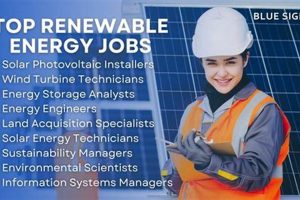
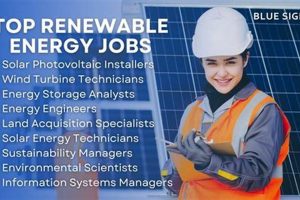
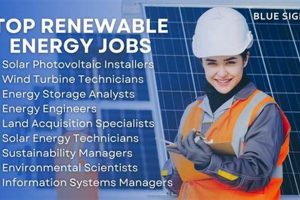
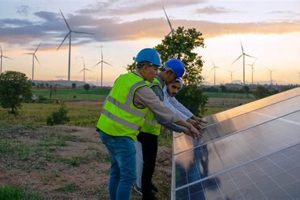
Employment opportunities in Wisconsin’s burgeoning clean energy sector encompass a wide range of specializations, from solar panel installation and wind turbine maintenance to biofuel production and energy-efficient building design. For example, a technician might specialize in the upkeep of a wind farm, ensuring consistent energy generation, while an engineer could design more efficient solar panel systems.
This growing field provides economic benefits to the state, fosters technological innovation, and contributes to environmental sustainability. Historically, Wisconsin has a strong manufacturing base, and the transition to clean energy builds upon this existing expertise, creating a skilled workforce ready to meet the demands of a 21st-century economy. These roles are vital for reducing the state’s reliance on fossil fuels and mitigating the effects of climate change.
The following sections will explore specific career paths within Wisconsin’s clean energy sector, discuss educational and training opportunities, and examine the future growth potential of this dynamic industry.
Tips for Pursuing Employment in Wisconsin’s Clean Energy Sector
Navigating the green job market requires strategic planning and focused effort. The following tips offer guidance for individuals interested in pursuing careers within Wisconsin’s renewable energy industry.
Tip 1: Identify Specific Areas of Interest: The clean energy sector encompasses diverse specializations. Research various roles, such as solar installer, wind turbine technician, or biofuels engineer, to determine which aligns with individual skills and interests.
Tip 2: Seek Relevant Education and Training: Acquire the necessary qualifications through vocational schools, technical colleges, or university programs offering specialized training in renewable energy technologies.
Tip 3: Network with Industry Professionals: Attend industry events, join professional organizations, and connect with individuals working in the field to gain insights and explore potential opportunities. Networking can lead to mentorships and job leads.
Tip 4: Research Companies Operating in Wisconsin: Identify businesses involved in renewable energy generation, manufacturing, or research within the state. Understanding the landscape of potential employers can focus job search efforts.
Tip 5: Develop Essential Skills: Cultivate strong problem-solving abilities, technical aptitude, and communication skills, which are highly valued in the clean energy sector.
Tip 6: Stay Updated on Industry Trends: The renewable energy field is constantly evolving. Remaining informed about new technologies, policy changes, and market trends ensures competitiveness in the job market.
By following these guidelines, individuals can effectively position themselves for success in Wisconsin’s dynamic and expanding clean energy industry.
This information provides a starting point for career exploration. The concluding section will offer additional resources and support for those seeking employment in this vital sector.
1. Solar Installation

Solar installation represents a significant portion of Wisconsin’s renewable energy job market. The increasing demand for solar energy systems creates numerous opportunities for skilled professionals across the state. This sector not only contributes to a cleaner environment but also stimulates economic growth and fosters local employment.
- Residential Solar Installation:
This facet involves installing photovoltaic (PV) systems on homes and smaller buildings. Installers work directly with homeowners to assess energy needs, design appropriate systems, and ensure proper installation and connection to the electrical grid. A residential installer might, for example, oversee the placement of solar panels on a rooftop, manage the wiring, and configure the system for optimal energy production. This area of specialization offers consistent job opportunities due to the expanding residential solar market in Wisconsin.
- Commercial Solar Installation:
Larger-scale solar projects for businesses and organizations require specialized expertise in handling more complex systems and integrating them into existing infrastructure. A commercial installation might involve a team coordinating the installation of a solar array on a factory roof or constructing a ground-mounted system for a large office complex. This area demands project management skills and a deeper understanding of commercial energy requirements.
- Solar Farm Development and Installation:
Utility-scale solar farms represent a growing segment within the industry. These projects require specialized teams to manage the construction and connection of large solar arrays to the electricity grid. A solar farm project might involve hundreds of workers installing and connecting thousands of solar panels, requiring expertise in large-scale project management, land use planning, and grid integration.
- Solar Panel Manufacturing and Supply Chain:
While not directly involved in installation, the manufacturing and distribution of solar panels and related equipment form a vital part of the solar industry ecosystem. Jobs in this area range from production line workers to logistics specialists, contributing to the overall growth of the solar sector in Wisconsin. A manufacturer might specialize in producing high-efficiency solar cells, while a distributor ensures timely delivery of components to installation sites.
These interconnected facets of solar installation contribute significantly to the overall landscape of renewable energy jobs in Wisconsin. The continued growth of the solar industry promises sustained employment opportunities and reinforces the state’s commitment to a sustainable energy future. Moreover, the increasing demand for solar energy further stimulates the development of related industries, creating a positive feedback loop for economic growth and environmental progress.
2. Wind Turbine Technician
Wind turbine technicians play a crucial role in Wisconsin’s renewable energy landscape. The state’s growing wind energy capacity necessitates skilled professionals to install, maintain, and repair these complex machines. This demand directly translates into a significant number of well-paying jobs, contributing to both economic growth and the transition towards cleaner energy sources. For example, a wind farm in central Wisconsin might employ dozens of technicians to ensure the ongoing operation of its turbines, performing routine inspections, troubleshooting mechanical issues, and conducting preventative maintenance. This reliance on skilled labor underscores the importance of wind turbine technicians within the broader context of renewable energy jobs in Wisconsin.
The technical expertise required for this role encompasses a range of skills, including electrical and mechanical aptitude, hydraulic systems knowledge, and safety protocols specific to working at heights. Technicians often work in challenging conditions, exposed to the elements and requiring physical stamina. Specialized training programs and certifications equip individuals with the necessary skills to succeed in this demanding yet rewarding field. The increasing sophistication of wind turbine technology further necessitates continuous learning and professional development, creating opportunities for career advancement within the industry. The growing complexity also fuels demand for specialized roles, such as control systems technicians and blade repair specialists, contributing to the diversification of renewable energy jobs.
The ongoing expansion of wind energy in Wisconsin ensures continued demand for qualified wind turbine technicians. This career path offers not only stable employment but also the opportunity to contribute directly to the state’s sustainable energy future. Challenges remain, including the need for robust training programs and workforce development initiatives to meet the evolving demands of the industry. However, the crucial role played by wind turbine technicians in maintaining and expanding Wisconsin’s wind energy infrastructure positions them as essential contributors to the state’s clean energy transition and overall economic vitality.
3. Biofuels Production

Biofuels production represents a growing sector within Wisconsin’s renewable energy landscape, offering diverse employment opportunities while contributing to reduced reliance on fossil fuels. This sector encompasses the production of fuels from organic matter, primarily corn and soybeans in Wisconsin. The process involves converting biomass into liquid fuels like ethanol and biodiesel, which can be used in transportation and other applications. This growing industry creates jobs across various stages of production, from agricultural feedstock cultivation and processing to biorefinery operations and fuel distribution. For instance, increased demand for ethanol leads to greater demand for corn, benefiting farmers and creating jobs in agriculture and transportation. Similarly, the construction and operation of biorefineries require skilled technicians, engineers, and managers, further expanding employment opportunities within the state.
The importance of biofuels production as a component of Wisconsin’s renewable energy jobs market extends beyond direct employment. The industry stimulates economic activity in rural communities, supporting local farmers and businesses. For example, the development of a biorefinery in a rural area can create a ripple effect, generating jobs in construction, maintenance, and related supply chain activities. Furthermore, biofuels production offers environmental benefits by reducing greenhouse gas emissions compared to traditional fossil fuels. While challenges remain, including land use considerations and competition with food crops, ongoing research and technological advancements aim to enhance the sustainability and efficiency of biofuels production, solidifying its role in Wisconsin’s clean energy future.
In summary, biofuels production constitutes a significant element of Wisconsin’s renewable energy economy. By creating jobs, stimulating rural economies, and offering a pathway towards reduced carbon emissions, this sector contributes significantly to the state’s overall sustainability goals. Continued investment in research, infrastructure development, and workforce training will be crucial to maximize the economic and environmental benefits of biofuels production in Wisconsin. Furthermore, integrating biofuels production with other renewable energy sources and developing sustainable feedstock strategies are essential steps toward a more diversified and resilient energy future for the state.
4. Energy Efficiency
Energy efficiency plays a crucial role in Wisconsin’s renewable energy job market, driving demand for specialized skills and creating new employment opportunities. Reducing energy consumption through efficiency measures complements the growth of renewable energy sources, creating a synergistic effect that benefits both the environment and the economy. Improved building insulation, for example, reduces heating and cooling demands, lowering reliance on both fossil fuels and renewable energy generation. This, in turn, creates jobs for insulation installers, energy auditors, and building performance analysts. Furthermore, energy-efficient technologies, such as LED lighting and high-efficiency HVAC systems, require skilled professionals for installation and maintenance, further expanding the renewable energy job market.
The increasing emphasis on energy efficiency within Wisconsin’s building sector, industrial processes, and transportation systems drives innovation and creates opportunities for businesses specializing in energy-efficient products and services. For example, companies developing smart thermostats or energy management software contribute to the broader ecosystem of renewable energy jobs. This focus on efficiency not only reduces energy costs for consumers and businesses but also decreases the overall demand for energy, minimizing the need for large-scale renewable energy infrastructure investments. This creates a positive feedback loop, where increased efficiency reduces demand, stimulating further innovation in energy-saving technologies and creating more specialized jobs.
Integrating energy efficiency into Wisconsin’s renewable energy strategy is essential for achieving long-term sustainability goals. While renewable energy sources address the supply side of the energy equation, energy efficiency tackles the demand side, offering a cost-effective approach to reducing overall energy consumption. This integrated approach maximizes the impact of renewable energy investments, minimizes environmental impact, and creates a more robust and diverse renewable energy job market. Continued investment in energy efficiency programs, workforce training, and public awareness campaigns will be crucial for maximizing the economic and environmental benefits of this vital component of Wisconsin’s clean energy transition.
5. Project Management

Project management forms a critical component of Wisconsin’s renewable energy sector, ensuring the successful planning, execution, and completion of complex projects. From large-scale solar farm installations to community-based wind energy initiatives, effective project management is essential for coordinating resources, managing budgets, and navigating regulatory requirements. The increasing scale and complexity of renewable energy projects necessitate skilled project managers to oversee all stages of development, ensuring projects are delivered on time and within budget.
- Planning and Development:
This facet involves defining project scope, securing necessary permits, conducting feasibility studies, and developing detailed project plans. A project manager might, for example, oversee the environmental impact assessment for a proposed wind farm, ensuring compliance with local regulations and addressing community concerns. Effective planning is crucial for mitigating risks and ensuring project viability.
- Budgeting and Cost Control:
Managing project finances is a core responsibility, requiring accurate cost estimation, budget tracking, and financial reporting. A project manager might negotiate contracts with equipment suppliers, manage construction costs, and ensure adherence to allocated budgets. Effective cost control is vital for project success and investor confidence.
- Timeline Management and Scheduling:
Developing and adhering to realistic project timelines is crucial for ensuring timely completion. A project manager might coordinate the delivery of wind turbine components, schedule installation crews, and manage construction timelines. Effective scheduling ensures efficient resource utilization and minimizes project delays.
- Stakeholder Management and Communication:
Renewable energy projects often involve multiple stakeholders, including government agencies, community groups, investors, and contractors. A project manager facilitates communication, addresses concerns, and builds consensus among stakeholders. Effective communication ensures project transparency and builds support for renewable energy initiatives.
These interconnected facets of project management contribute significantly to the successful development and implementation of renewable energy projects in Wisconsin. The growing complexity and scale of these projects underscore the increasing demand for skilled project managers within the state’s clean energy sector. Effective project management not only ensures project success but also contributes to the overall growth and sustainability of the renewable energy industry in Wisconsin, driving economic development and environmental progress. Furthermore, successful project completion builds public confidence in renewable energy technologies, fostering wider adoption and accelerating the transition to a cleaner energy future.
6. Research & Development

Research and development (R&D) plays a critical role in the advancement of renewable energy technologies and directly influences the growth of renewable energy jobs in Wisconsin. Innovation in areas such as solar cell efficiency, wind turbine design, and biofuel production processes drives down costs, improves performance, and expands the market for renewable energy systems. This, in turn, creates demand for skilled workers across the entire value chain, from materials scientists and engineers to manufacturing technicians and installation crews. For instance, advancements in battery storage technology, driven by R&D efforts, are creating new opportunities for battery manufacturers, system integrators, and maintenance specialists in Wisconsin. The development of more efficient and cost-effective solar panels, resulting from ongoing research, fuels market expansion and generates jobs in manufacturing, installation, and sales.
Continued investment in R&D is essential for maintaining Wisconsin’s competitiveness in the rapidly evolving renewable energy industry. State-funded research programs, university collaborations with industry partners, and federal grants contribute to a robust innovation ecosystem. This fosters a skilled workforce capable of developing, deploying, and maintaining cutting-edge renewable energy technologies. For example, research partnerships between universities and wind turbine manufacturers in Wisconsin are leading to advancements in blade design and turbine efficiency, creating demand for specialized engineering and manufacturing expertise. Support for biofuel research is leading to the development of new feedstocks and conversion processes, creating opportunities for agricultural workers, biorefinery operators, and transportation fuel distributors.
The connection between R&D and renewable energy jobs in Wisconsin represents a crucial link in the state’s transition to a sustainable energy future. By fostering innovation and supporting a skilled workforce, R&D investments create economic opportunities, enhance energy independence, and reduce environmental impact. Challenges remain, including the need for sustained funding, effective technology transfer mechanisms, and workforce development initiatives tailored to the evolving needs of the industry. Addressing these challenges will be essential for maximizing the economic and environmental benefits of renewable energy innovation in Wisconsin and ensuring the state remains a leader in the clean energy economy.
7. Policy Advocacy

Policy advocacy plays a vital role in shaping the landscape of renewable energy jobs in Wisconsin. Effective advocacy efforts influence legislation, regulations, and incentives that directly impact the growth and stability of the renewable energy sector. Supportive policies, such as renewable portfolio standards (RPS), tax credits for renewable energy investments, and streamlined permitting processes, can stimulate market growth and create new job opportunities. Conversely, unfavorable policies can hinder industry development and stifle job creation. For example, a strong RPS requiring utilities to source a certain percentage of their electricity from renewables creates demand for renewable energy projects, leading to increased hiring in areas such as solar installation, wind turbine maintenance, and biofuel production. Conversely, policies that favor fossil fuels or create regulatory barriers for renewable energy projects can discourage investment and limit job growth in the clean energy sector.
Advocates for renewable energy policies work to educate policymakers, build coalitions with stakeholders, and influence public opinion to create a favorable environment for clean energy development. They engage in activities such as lobbying elected officials, participating in public hearings, organizing grassroots campaigns, and conducting research to demonstrate the economic and environmental benefits of renewable energy. For instance, a coalition of businesses, environmental groups, and labor unions might advocate for policies that incentivize energy efficiency upgrades in buildings, creating jobs for energy auditors, insulation installers, and HVAC technicians. Similarly, advocates might work to streamline permitting processes for wind farms, reducing development costs and accelerating project timelines, ultimately leading to increased employment opportunities in rural communities.
Understanding the connection between policy advocacy and renewable energy jobs is crucial for fostering sustainable growth in Wisconsin’s clean energy sector. Effective advocacy requires a deep understanding of the policy landscape, the ability to build consensus among diverse stakeholders, and a commitment to advancing policies that support both job creation and environmental protection. Challenges remain, including navigating complex regulatory processes, overcoming opposition from entrenched interests, and securing long-term policy stability. However, continued advocacy efforts are essential for ensuring that Wisconsin remains a leader in the clean energy economy, creating high-quality jobs, and protecting the environment for future generations.
Frequently Asked Questions about Renewable Energy Careers in Wisconsin
This section addresses common inquiries regarding employment opportunities within Wisconsin’s renewable energy sector.
Question 1: What types of jobs are available in Wisconsin’s renewable energy sector?
Opportunities span various areas, including solar panel installation, wind turbine maintenance, biofuel production, energy efficiency consulting, project management, research and development, and policy advocacy. Specific roles range from field technicians and engineers to sales representatives and policy analysts.
Question 2: What qualifications are needed for renewable energy jobs?
Qualifications vary depending on the specific role. Some positions require vocational training or associate degrees, while others necessitate bachelor’s or advanced degrees in engineering, environmental science, or related fields. Industry certifications can also enhance employment prospects.
Question 3: How is the job market outlook for renewable energy careers in Wisconsin?
The outlook is generally positive, with projected growth in various segments of the renewable energy sector. Factors such as state and federal policies, technological advancements, and increasing public awareness of climate change contribute to sustained demand for skilled professionals.
Question 4: Where can one find job postings for renewable energy positions in Wisconsin?
Online job boards specializing in clean energy or sustainability often feature listings for Wisconsin-based positions. State government websites, industry association resources, and company career pages also provide valuable job search information.
Question 5: What are the average salaries for renewable energy jobs in Wisconsin?
Salaries vary depending on the specific job, experience level, and employer. Entry-level positions typically offer competitive wages, while specialized roles and management positions command higher salaries. Industry resources and salary surveys provide detailed compensation information.
Question 6: How can one gain experience in the renewable energy sector?
Internships, volunteer opportunities, and entry-level positions offer valuable experience and skill development. Participating in relevant workshops, training programs, and networking events can also enhance one’s qualifications and expand professional connections.
Exploring these questions provides a foundational understanding of career pathways within Wisconsin’s dynamic renewable energy sector. Thorough research and proactive engagement with industry resources will further assist individuals in pursuing their career goals.
Further resources and contact information for organizations supporting career development in renewable energy are available in the following section.
Renewable Energy Jobs
This exploration of Wisconsin’s renewable energy employment landscape has highlighted the diverse opportunities emerging within this dynamic sector. From solar panel installation and wind turbine maintenance to biofuels production and energy efficiency consulting, the industry offers a wide array of career paths for skilled professionals. The analysis underscored the importance of project management, research and development, and policy advocacy in driving innovation and ensuring the continued growth of the renewable energy sector. Understanding the qualifications, job market outlook, and available resources empowers individuals to pursue careers within this vital field.
Wisconsin’s transition to a sustainable energy future hinges on the continued development of its renewable energy workforce. Investing in education, training, and research will be crucial for ensuring the state has the skilled professionals needed to meet the growing demand for clean energy technologies. The future prosperity and environmental well-being of Wisconsin are inextricably linked to the success of its renewable energy sector. By embracing the opportunities presented by this dynamic industry, Wisconsin can create a more sustainable, resilient, and prosperous future for all its citizens.