The International Renewable Energy Agency (IRENA) plays a crucial role in the global transition to sustainable energy systems. A key focus of the organization is the socioeconomic impact of this transition, particularly regarding employment opportunities. This involves research, policy recommendations, and partnerships to maximize the job creation potential of the renewable energy sector, encompassing diverse areas such as manufacturing, installation, maintenance, and grid management.
A shift towards sustainable energy sources offers substantial economic advantages, including increased energy security, reduced reliance on volatile fossil fuel markets, and the stimulation of local economies. Promoting sustainable energy solutions also addresses critical environmental concerns, mitigating climate change and improving air quality. Historically, concerns about job displacement in traditional energy sectors have accompanied the rise of renewables. However, evidence suggests that the renewable energy sector possesses significant job creation potential, often exceeding losses in fossil fuel industries.
Further exploration will cover the specific roles of the IRENA in facilitating this transition, analyzing the types of jobs created within the renewable energy sector, and examining the global distribution of these opportunities. The discussion will also address the challenges and potential solutions related to workforce development and skills gaps in this evolving landscape.
Tips for Maximizing Renewable Energy Job Creation
Strategic planning and implementation are essential to fully realize the employment potential of the renewable energy transition. The following tips offer guidance for policymakers, industry stakeholders, and educational institutions.
Tip 1: Invest in Workforce Development: Targeted training programs are crucial for equipping individuals with the skills needed for renewable energy jobs. These programs should encompass technical skills, safety protocols, and emerging technologies within the sector.
Tip 2: Foster Public-Private Partnerships: Collaboration between governments and private companies can facilitate investment in renewable energy projects, research and development, and workforce training initiatives.
Tip 3: Streamline Permitting and Approval Processes: Simplifying regulatory frameworks can accelerate the deployment of renewable energy projects, stimulating job growth and market expansion.
Tip 4: Support Local Supply Chains: Prioritizing local manufacturing and sourcing of renewable energy components can create regional economic benefits and reduce reliance on international supply chains.
Tip 5: Promote Inclusive Job Creation: Policies should ensure equitable access to renewable energy jobs, including opportunities for women, underrepresented communities, and workers transitioning from traditional energy sectors.
Tip 6: Integrate Renewable Energy into Education: Incorporating renewable energy principles and technologies into school curricula can prepare future generations for careers in the sustainable energy sector.
By implementing these strategies, stakeholders can maximize the socio-economic benefits of the renewable energy transition, creating a sustainable and prosperous future.
This foundation of proactive measures and strategic partnerships paves the way for a robust and inclusive renewable energy sector, driving economic growth and environmental sustainability.
1. Global Transition

The global transition to renewable energy sources represents a fundamental shift in energy production and consumption patterns, with profound implications for job markets worldwide. The International Renewable Energy Agency (IRENA) plays a crucial role in facilitating this transition by providing data-driven analysis, policy recommendations, and support for capacity building. This transition, while presenting challenges for traditional energy sectors, unlocks substantial opportunities for job creation in areas such as solar and wind power installation, manufacturing of renewable energy components, and grid modernization. For instance, the growth of the solar photovoltaic industry has led to a significant increase in jobs related to manufacturing, installation, and maintenance of solar panels globally. Similarly, the expansion of wind energy has spurred job creation in turbine manufacturing, project development, and operations.
IRENA’s analysis consistently demonstrates the job creation potential of the renewable energy sector. This potential extends beyond direct employment in renewable energy technologies to encompass indirect jobs in supporting industries and supply chains. Furthermore, the transition fosters new economic activities in rural communities, contributing to sustainable development and poverty reduction. For example, decentralized renewable energy systems can create employment opportunities in remote areas, empowering local communities and improving energy access. The shift towards electric mobility, supported by renewable energy integration, also stimulates job growth in manufacturing, charging infrastructure development, and maintenance.
Successfully navigating the global energy transition requires proactive policies, strategic investments, and international cooperation. Addressing potential job displacement in fossil fuel industries through retraining and reskilling programs is critical for ensuring a just and inclusive transition. IRENA’s work in supporting workforce development and promoting best practices is instrumental in maximizing the socio-economic benefits of the global shift to renewable energy. Ultimately, the global transition offers a pathway towards a more sustainable, resilient, and equitable energy future, with significant potential for creating high-quality jobs and driving economic growth.
2. Sustainable Development

Sustainable development, encompassing economic growth, social inclusion, and environmental protection, is intrinsically linked to the work of the International Renewable Energy Agency (IRENA) in promoting renewable energy and job creation. The transition to a sustainable energy system powered by renewables is crucial for achieving sustainable development goals, offering a pathway to decarbonize economies, create employment opportunities, and improve energy access.
- Clean Energy Access
Expanding access to clean and affordable energy is a cornerstone of sustainable development. Renewable energy technologies offer decentralized solutions for electrifying communities, particularly in remote or underserved areas. This improved energy access empowers communities, facilitates economic activities, and enhances quality of life. Examples include off-grid solar systems providing electricity for households, schools, and healthcare facilities in rural areas, reducing reliance on expensive and polluting diesel generators. This aligns directly with IRENA’s mission to promote renewable energy adoption globally.
- Climate Change Mitigation
Renewable energy plays a vital role in mitigating climate change by reducing greenhouse gas emissions from the energy sector. The transition to a low-carbon energy system requires a substantial increase in the deployment of renewable energy technologies. IRENA’s analysis and policy recommendations support countries in achieving their climate targets through renewable energy integration, offering a pathway to decarbonize economies while fostering sustainable development. For instance, replacing coal-fired power plants with wind or solar farms significantly reduces CO2 emissions, contributing to climate change mitigation efforts.
- Economic Growth and Job Creation
The renewable energy sector is a driver of economic growth and job creation. Investments in renewable energy projects generate employment opportunities across the value chain, from manufacturing and installation to operation and maintenance. IRENA’s research highlights the significant job creation potential of renewable energy, contributing to sustainable development by providing livelihoods and stimulating economic activity. An example is the growth of the wind turbine manufacturing industry, which creates jobs in manufacturing, engineering, and logistics. Furthermore, the decentralized nature of renewable energy creates localized economic opportunities, particularly in rural areas.
- Resource Efficiency and Environmental Protection
Renewable energy sources, unlike fossil fuels, are virtually inexhaustible and minimize environmental impacts. Utilizing renewable energy reduces reliance on finite resources, mitigating environmental degradation associated with fossil fuel extraction and combustion. IRENA’s focus on promoting sustainable energy solutions aligns with environmental protection goals, contributing to a healthier planet. For example, solar and wind power generation reduce air and water pollution compared to fossil fuel-based power plants, contributing to improved public health and ecosystem preservation. This aligns with the broader sustainable development agenda of decoupling economic growth from environmental degradation.
These interconnected facets demonstrate how the transition to renewable energy, supported by IRENA’s work, is integral to achieving sustainable development objectives. By promoting renewable energy adoption and maximizing its socio-economic benefits, IRENA contributes to a more sustainable, equitable, and prosperous future for all.
3. Economic Growth

The International Renewable Energy Agency (IRENA) identifies a strong correlation between renewable energy deployment and economic growth. Investment in renewable energy projects stimulates economic activity through job creation, infrastructure development, and technological innovation. This investment generates a ripple effect, impacting various sectors and contributing to overall economic expansion. For instance, the construction of large-scale solar farms creates demand for materials, labor, and specialized services, injecting capital into local economies. Similarly, the manufacturing of wind turbines requires skilled labor and specialized facilities, driving industrial growth and creating employment opportunities. This stimulus is not limited to large-scale projects; distributed generation through rooftop solar installations also generates economic activity within communities.
Furthermore, the transition to renewable energy enhances energy security by reducing reliance on imported fossil fuels. This shift stabilizes energy prices, making economies less vulnerable to volatile global markets. Reduced energy costs benefit businesses, enhancing their competitiveness and creating a favorable environment for investment and growth. Moreover, renewable energy technologies offer opportunities for innovation and technological advancements, fostering new industries and creating high-skilled jobs. The development and deployment of smart grids, energy storage solutions, and electric vehicle infrastructure exemplify the potential for innovation within the renewable energy sector, further driving economic growth.
In conclusion, the relationship between renewable energy and economic growth is mutually reinforcing. IRENA’s work in promoting renewable energy adoption contributes significantly to sustainable economic development. By facilitating the transition to renewable energy, IRENA supports job creation, enhances energy security, and fosters technological innovation, ultimately driving economic prosperity. Addressing the challenges associated with this transition, such as workforce development and grid integration, remains crucial for maximizing the economic benefits of renewable energy. Continued investment in research, development, and deployment of renewable energy technologies is essential for ensuring long-term sustainable economic growth.
4. Workforce Training

Workforce training is essential for realizing the job creation potential of the renewable energy sector and a key component of the International Renewable Energy Agency’s (IRENA) focus on sustainable energy transitions. A skilled workforce is required to design, install, operate, and maintain renewable energy technologies. This necessitates targeted training programs that equip individuals with the technical expertise, safety protocols, and industry-specific knowledge needed for these roles. The lack of a qualified workforce can hinder the growth of the renewable energy sector and limit its socio-economic benefits. Effective workforce training programs address this gap by providing pathways to employment and supporting the expansion of the industry. For instance, training programs focused on solar photovoltaic installation equip individuals with the skills needed to assemble and connect solar panels, ensuring safe and efficient operation of solar energy systems. Similarly, training in wind turbine maintenance prepares technicians to diagnose and repair complex mechanical and electrical components, maximizing the uptime of wind energy facilities.
The effectiveness of workforce training initiatives depends on collaboration between various stakeholders. Partnerships between governments, educational institutions, and private companies are crucial for developing and implementing training programs aligned with industry needs. These collaborations ensure that training curricula remain up-to-date with evolving technologies and industry best practices. Furthermore, targeted training programs can address specific skills gaps within the renewable energy sector, such as the need for specialized technicians in offshore wind farm maintenance or experts in grid integration of renewable energy sources. Successful workforce development requires ongoing evaluation and adaptation to meet the changing demands of the rapidly evolving renewable energy landscape. For example, as the electric vehicle market expands, there is a growing need for skilled technicians to install and maintain charging infrastructure, requiring specialized training programs focused on electric vehicle technologies.
In summary, workforce training is a critical investment for maximizing the socio-economic benefits of the renewable energy transition. IRENA’s emphasis on workforce development highlights the importance of skilled labor in driving the growth of the renewable energy sector. Effective training programs, developed through public-private partnerships and tailored to industry needs, are essential for ensuring a qualified workforce capable of supporting the expansion of renewable energy technologies. Addressing the challenges associated with workforce development, such as standardization of training curricula and ensuring access to training opportunities, is crucial for unlocking the full job creation potential of the renewable energy sector and achieving a sustainable energy future.
5. Policy Frameworks

Effective policy frameworks are essential for fostering the growth of the renewable energy sector and maximizing its job creation potential, a key focus of the International Renewable Energy Agency (IRENA). Supportive policies can stimulate investment in renewable energy projects, create market stability, and drive technological innovation. Conversely, inconsistent or poorly designed policies can hinder the development of the renewable energy industry and limit its socio-economic benefits. For instance, feed-in tariffs, which guarantee a fixed price for renewable energy fed into the grid, have proven effective in stimulating the growth of solar and wind power in several countries. Conversely, the absence of clear regulations or the presence of bureaucratic hurdles can discourage investment and slow down the deployment of renewable energy technologies.
Policy frameworks influence the renewable energy job market in several ways. Renewable portfolio standards (RPS), which mandate a certain percentage of electricity generation from renewable sources, create demand for renewable energy technologies and stimulate job growth in manufacturing, installation, and maintenance. Tax incentives and subsidies for renewable energy projects can further incentivize investment and accelerate job creation. Moreover, policies supporting workforce development, such as training programs and educational initiatives, are crucial for ensuring a skilled workforce capable of meeting the demands of the growing renewable energy industry. Germany’s Energiewende, a policy initiative focused on transitioning to renewable energy, has created numerous jobs in the renewable energy sector while contributing to a reduction in greenhouse gas emissions. However, challenges such as grid integration and the intermittency of renewable energy sources require carefully designed policies to ensure a smooth transition and maximize the benefits of renewable energy integration.
In summary, well-designed policy frameworks are crucial for driving the growth of the renewable energy sector and maximizing its contribution to sustainable development. IRENA’s work in providing policy guidance and supporting the development of effective policy frameworks is essential for unlocking the full potential of renewable energy to create jobs, stimulate economic growth, and mitigate climate change. Addressing the challenges associated with policy implementation, such as ensuring policy consistency and addressing regional disparities, is critical for achieving a sustainable and equitable energy future. Continued analysis and evaluation of policy effectiveness are necessary for adapting to the evolving renewable energy landscape and maximizing the socio-economic benefits of the global energy transition.
6. Technological Innovation
Technological innovation plays a crucial role in accelerating the global transition to renewable energy and maximizing its job creation potential, a core focus of the International Renewable Energy Agency (IRENA). Advancements in renewable energy technologies drive down costs, improve efficiency, and expand the range of applications, creating new opportunities for employment and economic growth. Continuous innovation is essential for overcoming technical barriers, integrating renewable energy into existing infrastructure, and ensuring the long-term sustainability of the renewable energy sector. This exploration delves into key facets of technological innovation within the context of IRENA’s mission.
- Cost Reduction
Technological advancements have significantly reduced the cost of renewable energy technologies, making them increasingly competitive with fossil fuels. Innovations in manufacturing processes, materials science, and system design have contributed to cost reductions in solar photovoltaics, wind turbines, and energy storage systems. This cost competitiveness drives market adoption of renewable energy, stimulating job growth in manufacturing, installation, and maintenance. For example, the declining cost of solar panels has made rooftop solar installations increasingly affordable for homeowners and businesses, creating jobs in sales, installation, and maintenance.
- Improved Efficiency
Technological innovation continuously improves the efficiency of renewable energy technologies, enabling them to generate more power from the same resources. Advances in wind turbine design, such as larger rotor diameters and improved aerodynamics, increase energy capture and reduce the cost of wind energy. Similarly, advancements in solar cell technology enhance the conversion of sunlight into electricity, maximizing the output of solar panels. These efficiency gains improve the overall performance and cost-effectiveness of renewable energy systems, making them more attractive for investment and deployment, further driving job creation.
- Grid Integration
Integrating renewable energy sources into existing electricity grids presents technical challenges due to the intermittent nature of solar and wind power. Technological innovations in smart grids, energy storage solutions, and forecasting technologies are essential for managing the variability of renewable energy and ensuring grid stability. The development and deployment of these technologies create new job opportunities in areas such as grid modernization, energy storage system installation, and software development. For instance, the increasing use of battery storage systems requires skilled technicians for installation and maintenance, creating new job opportunities in the energy storage sector.
- Emerging Technologies
Continuous research and development in emerging renewable energy technologies, such as wave energy, geothermal energy, and advanced biofuels, hold significant potential for future job creation. These technologies offer opportunities for diversification of the renewable energy sector and expansion into new markets. Investment in research and development, coupled with supportive policies, can accelerate the commercialization of these technologies and create new industries and employment opportunities. For example, the development of wave energy converter technologies could create jobs in coastal communities involved in manufacturing, installation, and maintenance of these devices.
These interconnected facets of technological innovation are crucial for accelerating the global transition to renewable energy and achieving the job creation potential highlighted by IRENA. Continued investment in research, development, and deployment of innovative renewable energy technologies is essential for ensuring a sustainable, secure, and prosperous energy future, maximizing the socio-economic benefits of the global energy transition and creating a more diversified and resilient energy landscape.
7. International Cooperation

International cooperation is fundamental to achieving a global transition to renewable energy and maximizing its socio-economic benefits, particularly regarding job creation. The International Renewable Energy Agency (IRENA) plays a crucial role in fostering collaboration among countries, sharing best practices, and coordinating efforts to accelerate the deployment of renewable energy technologies. This collaborative approach is essential for addressing global challenges, such as climate change, energy security, and sustainable development, while creating a robust and inclusive renewable energy job market worldwide.
- Knowledge Sharing and Capacity Building
International cooperation facilitates the exchange of knowledge, expertise, and best practices in renewable energy development and deployment. IRENA supports capacity building initiatives in developing countries, providing technical assistance and training programs to foster local expertise and promote sustainable energy practices. Sharing lessons learned and successful policy frameworks accelerates the adoption of renewable energy technologies and maximizes their impact on job creation. For example, IRENA’s collaborative projects on renewable energy resource assessment and grid integration support countries in developing their renewable energy potential and creating a skilled workforce for the renewable energy sector.
- Technology Transfer and Innovation
International cooperation promotes technology transfer and collaborative research and development in renewable energy. Developed countries can share advanced technologies and expertise with developing countries, accelerating the deployment of renewable energy solutions and fostering innovation. Joint research projects and technology partnerships create opportunities for knowledge exchange, capacity building, and the development of new renewable energy technologies, ultimately expanding the global renewable energy job market. For instance, collaborative projects on developing advanced solar cell technologies or improving wind turbine efficiency can lead to new manufacturing opportunities and skilled jobs in both developed and developing countries.
- Investment and Finance
International cooperation is essential for mobilizing investment and financing for renewable energy projects, particularly in developing countries. Developed countries and international financial institutions can provide financial support, technical assistance, and risk mitigation instruments to facilitate investment in renewable energy. This investment stimulates economic growth, creates jobs, and accelerates the global transition to renewable energy. For example, international partnerships supporting the development of large-scale solar farms in Africa can create jobs in construction, operation, and maintenance, while contributing to sustainable development and energy access.
- Harmonization of Standards and Regulations
International cooperation facilitates the harmonization of standards and regulations for renewable energy technologies, streamlining trade and promoting interoperability. Common standards reduce technical barriers, facilitate market access for renewable energy products, and create a level playing field for businesses. This harmonization fosters competition, innovation, and cost reductions, ultimately benefiting consumers and creating a more robust global renewable energy job market. For instance, international agreements on technical standards for solar panels or wind turbines simplify trade and promote the adoption of these technologies worldwide.
These facets of international cooperation are integral to achieving a global transition to renewable energy and realizing its full potential for job creation. IRENA’s role in fostering collaboration among countries is crucial for driving innovation, mobilizing investment, and building a skilled workforce for the renewable energy sector. This collaborative approach maximizes the socio-economic benefits of the global energy transition, contributing to sustainable development, climate change mitigation, and the creation of a more equitable and prosperous future for all. Continued and strengthened international cooperation is essential for navigating the challenges and maximizing the opportunities presented by the global shift towards renewable energy.
Frequently Asked Questions about Renewable Energy and Jobs
This section addresses common inquiries regarding the relationship between renewable energy and employment opportunities, providing concise and informative responses based on industry analysis and data.
Question 1: Do renewable energy technologies create more jobs than traditional energy industries?
Evidence suggests the renewable energy sector has significant job creation potential, often exceeding employment losses in declining fossil fuel industries. The International Renewable Energy Agency (IRENA) reports consistent growth in renewable energy jobs globally, exceeding those in traditional energy sectors in many regions.
Question 2: What types of jobs are created in the renewable energy sector?
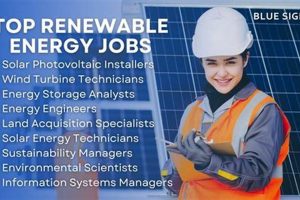
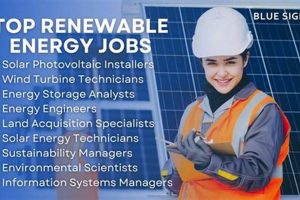
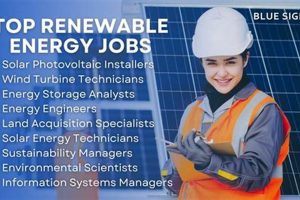
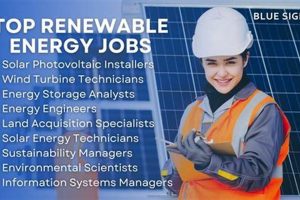
Renewable energy jobs span a diverse range, including manufacturing, installation, maintenance, project development, research, and grid management. Examples include wind turbine technicians, solar panel installers, engineers, and policy analysts. This diversity offers opportunities for individuals with varying skill sets and educational backgrounds.
Question 3: How does the geographic distribution of renewable energy jobs impact local economies?
Renewable energy projects often create jobs in rural or remote areas, stimulating local economies and offering employment opportunities where they are most needed. This localized impact can contribute to sustainable development and reduce regional economic disparities.
Question 4: What are the challenges related to workforce development in the renewable energy sector?
A key challenge is ensuring a skilled workforce capable of meeting the demands of this rapidly evolving industry. Addressing skills gaps through targeted training programs and educational initiatives is crucial for maximizing the job creation potential of the renewable energy transition.
Question 5: How do government policies influence job creation in the renewable energy sector?
Supportive policies, such as renewable portfolio standards, tax incentives, and investment in research and development, play a vital role in stimulating the growth of the renewable energy industry and creating jobs. Consistent and well-designed policies provide market stability and attract investment, driving job growth across the sector.
Question 6: What is the long-term outlook for renewable energy jobs?
The long-term outlook for renewable energy jobs is positive, with continued growth projected as the global energy transition progresses. IRENA anticipates substantial increases in renewable energy employment as countries strive to meet climate targets and transition to more sustainable energy systems. This growth trajectory presents significant opportunities for individuals seeking careers in a dynamic and expanding sector.
Understanding the dynamics of renewable energy job creation is essential for informed decision-making and effective policy development. The growth of the renewable energy sector offers significant opportunities for economic development, job creation, and a sustainable energy future.
Further exploration may delve into specific regional trends, emerging technologies, and policy recommendations for maximizing the socio-economic benefits of the renewable energy transition.
The Future of Work
This exploration has examined the multifaceted relationship between the International Renewable Energy Agency (IRENA), renewable energy, and job creation. The analysis highlighted the significant potential of the renewable energy sector to drive sustainable economic growth, create diverse employment opportunities, and contribute to climate change mitigation. Key aspects discussed include the importance of policy frameworks, workforce training, technological innovation, and international cooperation in maximizing the socio-economic benefits of the renewable energy transition. The challenges and opportunities associated with integrating renewable energy into existing energy systems were also addressed, underscoring the need for strategic planning and investment in research and development.
The transition to a sustainable energy future powered by renewables presents a unique opportunity to reshape global economies and create a more equitable and prosperous future. Continued investment in renewable energy technologies, coupled with supportive policies and international collaboration, will be crucial for realizing the full potential of this transformative shift. The future of work is inextricably linked to the future of energy, and embracing the potential of renewable energy is essential for building a sustainable and resilient global economy.