Harnessing the sun’s radiation for power generation provides a sustainable alternative to finite resources. Sunlight, unlike fossil fuels, replenishes naturally, ensuring its availability for the foreseeable future. This characteristic distinguishes it from resources that deplete with usage, offering a long-term solution for energy demands.
Utilization of the sun’s power reduces dependence on dwindling reserves, mitigating geopolitical instability and environmental degradation associated with their extraction and combustion. Its widespread availability promotes energy independence and contributes to cleaner air and reduced greenhouse gas emissions, fostering a healthier planet for current and future generations. Historical context reveals growing adoption driven by technological advancements and increasing environmental awareness.
Understanding the various methods of capturing and converting sunlight into usable power, evaluating the technological advancements in solar panel efficiency, and assessing the economic viability and policy frameworks supporting its deployment are critical for further discussion.
Optimizing Solar Energy Utilization
Adopting practices that maximize the benefits of using sunlight for power generation can significantly contribute to energy sustainability and cost savings.
Tip 1: Site Assessment. Prior to installation, conduct a thorough evaluation of the location’s solar irradiance potential. Factors like shading from trees or buildings, roof orientation, and annual weather patterns should be considered.
Tip 2: Technology Selection. Evaluate various photovoltaic panel technologies (e.g., monocrystalline, polycrystalline, thin-film) to identify the best fit for specific needs and budget, considering factors such as efficiency, durability, and cost.
Tip 3: System Sizing. Accurately determine the required system size based on energy consumption patterns. Over- or under-sizing can lead to inefficiency and wasted resources. Analyze past electricity bills to inform this decision.
Tip 4: Energy Storage Integration. Incorporate battery storage solutions to capture and store excess power generated during peak sunlight hours. This ensures power availability during periods of low sunlight or grid outages.
Tip 5: Regular Maintenance. Implement a routine maintenance schedule, including panel cleaning and system inspections, to optimize performance and longevity. Dust, debris, and vegetation can reduce energy generation.
Tip 6: Smart Energy Management. Utilize smart home technology and energy management systems to monitor and optimize energy consumption, maximizing the self-consumption of generated power.
Tip 7: Monitor Performance. Employ monitoring systems to track energy production and identify potential issues early. Data-driven insights enable proactive maintenance and optimization efforts.
Effective implementation of these strategies enhances the performance and return on investment of solar power systems, contributing to a more sustainable energy future.
These tips provide a practical foundation for optimizing utilization of this naturally replenishing resource, leading to further exploration of policy incentives and innovative technologies.
1. Inexhaustible

The designation of solar energy as a renewable source fundamentally hinges on the concept of its inexhaustibility. The sun, the origin of this energy, possesses an immense and practically limitless supply of radiative power. This attribute distinguishes it from finite resources, such as fossil fuels, which are depleted through extraction and combustion. The sun’s continued energy output ensures that solar power remains available for human utilization on a timescale relevant to societal planning and development. Without the characteristic of inexhaustibility, the term ‘renewable’ would be inapplicable.
The practical significance of this inexhaustible nature is evident in the long-term sustainability it offers. Unlike coal, oil, or natural gas, the sun’s energy does not diminish with use. This provides a secure and predictable energy supply, mitigating concerns about resource depletion and price volatility associated with fossil fuels. For instance, a solar power plant, once constructed, can generate electricity for decades with minimal fuel costs, making it a stable and cost-effective energy source. Furthermore, the predictable availability of sunlight allows for accurate energy forecasting and grid management, contributing to the reliability of the overall power system.
In summary, the inexhaustible nature of solar radiation is a core characteristic that defines it as a renewable energy source. This feature offers long-term energy security, economic stability, and reduced environmental impact compared to conventional fossil fuels. While challenges remain in improving energy storage and grid integration, the underlying inexhaustibility of solar power ensures its continued relevance in addressing global energy needs.
2. Sustainable
The concept of sustainability is intrinsically linked to the definition of solar energy as a renewable resource. Sustainability, in this context, implies meeting present energy needs without compromising the ability of future generations to meet their own. Solar power, drawing on the sun’s radiant energy, aligns with this principle due to the virtually inexhaustible nature of its source and the minimal long-term environmental impact associated with its operation. Unlike fossil fuels, sunlight does not deplete, and the infrastructure for harnessing it, while requiring initial investment, offers decades of power generation with negligible fuel consumption or resource extraction. The cause-and-effect relationship is clear: adopting solar power reduces reliance on unsustainable practices, fostering a more stable and ecologically sound energy future.
The importance of sustainability within the context of solar energy stems from its capacity to mitigate the adverse effects of traditional energy sources. Examples include the reduction of greenhouse gas emissions, air and water pollution, and habitat destruction associated with fossil fuel extraction and combustion. Solar installations, when properly sited and managed, present minimal disruption to ecosystems and contribute to improved air quality. Furthermore, the decentralized nature of solar power allows for community-based energy solutions, fostering energy independence and resilience. For example, solar microgrids can provide reliable power to remote areas, reducing their dependence on centralized power grids and fossil fuel generators.
The practical significance of understanding the link between sustainability and solar energy lies in informing policy decisions and investment strategies. Recognizing the long-term benefits of solar power encourages governments and private entities to prioritize renewable energy development. This includes implementing supportive regulations, offering financial incentives, and investing in research and development to further improve the efficiency and affordability of solar technologies. While challenges remain in addressing intermittency and energy storage, the inherent sustainability of solar power positions it as a critical component of a diversified and resilient energy portfolio, contributing to a more environmentally responsible and economically viable future.
3. Clean

The descriptor “clean,” when applied to solar energy as a renewable source, denotes a significant reduction in environmental pollutants compared to conventional fossil fuel-based energy generation. The operation of solar photovoltaic (PV) systems, once installed, generates electricity without releasing harmful greenhouse gases (GHGs), particulate matter, or other atmospheric pollutants. This absence of direct emissions distinguishes solar energy as a cleaner alternative, addressing concerns about air quality, climate change, and public health. The causal relationship is evident: displacing fossil fuels with solar power directly mitigates the negative environmental consequences associated with their combustion.
The importance of the “clean” aspect of solar energy lies in its contribution to a healthier environment and the mitigation of climate change. Traditional energy sources, such as coal-fired power plants, release substantial quantities of carbon dioxide, sulfur dioxide, nitrogen oxides, and particulate matter, contributing to respiratory illnesses, acid rain, and global warming. Solar energy systems, in contrast, operate with minimal environmental impact, reducing the burden on ecosystems and improving air quality in urban and rural areas. For example, large-scale solar farms in California have demonstrably reduced air pollution in surrounding communities, leading to improved public health outcomes. Furthermore, the reduction in GHG emissions from solar power contributes to global efforts to stabilize the climate and mitigate the risks of extreme weather events.
Understanding the connection between the “clean” attributes and solar power has practical significance for policymakers and individuals alike. The recognition of these benefits can drive policy decisions that incentivize solar energy adoption, such as tax credits, renewable energy mandates, and carbon pricing mechanisms. At the individual level, the understanding of the environmental benefits of solar energy can motivate consumers to invest in solar installations, contributing to a cleaner and more sustainable energy future. While the manufacturing of solar panels does involve some emissions, the overall life-cycle emissions of solar power are significantly lower than those of fossil fuel-based electricity generation. Addressing the environmental impacts of manufacturing and promoting responsible end-of-life management of solar panels are crucial for maximizing the “clean” benefits of solar energy.
4. Distributed

The term “distributed,” when applied to solar energy, signifies a paradigm shift in energy generation and consumption, decentralizing power production away from large, centralized power plants. This characteristic of distributed generation aligns synergistically with the renewable nature of sunlight, fostering energy independence and resilience.
- Reduced Transmission Losses
Solar installations, whether rooftop panels on individual residences or community solar farms, generate electricity closer to the point of consumption. This proximity minimizes the need for long-distance transmission lines, thereby reducing energy losses associated with transmitting electricity over vast distances. An example includes rural communities employing off-grid solar systems, eliminating the need for expensive and lossy grid extensions.
- Enhanced Grid Resilience
A distributed solar energy infrastructure contributes to grid resilience by creating a more decentralized and diversified power supply. If a centralized power plant fails or transmission lines are damaged, distributed solar installations can continue to provide power to local areas, mitigating widespread outages. Microgrids powered by solar energy serve as examples of enhanced resilience during natural disasters.
- Increased Energy Independence
Distributed solar power allows homeowners, businesses, and communities to generate their own electricity, reducing their reliance on external energy sources and centralized utilities. This enhanced self-sufficiency insulates against price volatility in fossil fuel markets and promotes energy security. Homeowners utilizing rooftop solar exemplify this increased independence.
- Grid Defection and Prosumerism
The distributed nature of solar power fosters a shift from traditional consumers to “prosumers,” individuals who both consume and produce energy. This creates opportunities for grid defection, where individuals become entirely independent from the central grid. While complete defection presents challenges, it accelerates the transition towards a more decentralized and resilient energy system. Net metering programs further encourage prosumerism by allowing solar energy generators to sell excess electricity back to the grid.
The distributed nature of solar power, therefore, is not merely a technological attribute but a fundamental element that amplifies its sustainability and resilience. By decentralizing power generation, solar energy empowers individuals, communities, and nations to take control of their energy future, fostering a more equitable and environmentally responsible energy landscape. These attributes highlight solar as a readily available resource suitable to different scales and levels of consumption.
5. Versatile

The designation of solar energy as “versatile” underscores its adaptability across diverse applications and scales, enhancing its viability as a widespread renewable energy source. This adaptability extends beyond simple electricity generation to encompass various sectors and technological implementations.
- Electricity Generation
Solar photovoltaic (PV) technology can be deployed in a wide range of settings, from individual rooftop installations to large-scale utility solar farms, to generate electricity. This scalability allows solar power to meet the energy needs of both individual households and entire communities. For example, a homeowner might install solar panels to reduce electricity bills, while a utility company might construct a solar farm to provide power to thousands of customers. The implications of this versatility are that solar power can seamlessly integrate into existing electrical infrastructures and adapt to varying energy demands.
- Water Heating
Solar thermal systems are effectively utilized to heat water for residential, commercial, and industrial applications. These systems employ solar collectors to absorb solar radiation and transfer the heat to water or other fluids, which can then be used for domestic hot water, space heating, or industrial processes. A common example is a solar water heater used in homes to reduce the consumption of electricity or natural gas for water heating. The versatility in this application reduces reliance on conventional water heating methods and contributes to energy conservation.
- Solar Thermal Power
Concentrated solar power (CSP) plants use mirrors or lenses to focus a large area of sunlight onto a receiver. The concentrated solar energy is then used to heat a fluid, which in turn produces steam to drive a turbine and generate electricity. CSP technology can also incorporate thermal energy storage, allowing for electricity generation even when sunlight is not available. The versatility of CSP systems lies in their ability to provide dispatchable power, making them a valuable component of a renewable energy portfolio. Plants in desert regions demonstrate its effectiveness by providing energy on demand.
- Remote and Off-Grid Applications
Solar power offers a practical and cost-effective solution for providing electricity in remote areas where grid access is limited or non-existent. Off-grid solar systems, often combined with battery storage, can power homes, schools, hospitals, and businesses in remote locations. For example, solar-powered water pumps can provide access to clean water in rural communities, while solar home systems can provide electricity for lighting and appliances. This versatility enhances the quality of life and economic opportunities in underserved areas.
The multifaceted nature of solar applications, as demonstrated through electricity generation, water heating, solar thermal power, and remote applications, highlights the adaptability of solar energy as a readily deployable resource. These examples reaffirm the notion that solar energy is not just a renewable resource, but also a technologically versatile one, capable of addressing diverse energy needs across various sectors and geographical locations.
6. Independent

The attribute of “independence,” in the context of deriving power from the sun’s radiation, signifies a reduction in reliance on centralized energy grids and external fuel sources. This independence has profound implications for energy security, economic stability, and environmental sustainability, bolstering the value of leveraging sunlight for power generation.
- Decentralized Power Generation
Solar energy systems, particularly distributed photovoltaic (PV) installations, enable individuals, businesses, and communities to generate electricity on-site. This localized power production diminishes dependence on large-scale power plants and extensive transmission networks, enhancing energy self-sufficiency. Rural communities utilizing off-grid solar systems for essential services provide a clear example of this independence. The consequence is reduced vulnerability to grid outages and fluctuating fuel prices.
- Reduced Fuel Dependence
Harnessing the sun’s radiation eliminates the need for fossil fuels, mitigating exposure to volatile global fuel markets and geopolitical instability. Solar energy systems utilize a naturally replenishing resource, providing a predictable and stable energy supply. Nations investing heavily in solar infrastructure demonstrate increased energy independence from foreign oil or gas suppliers. This diminished reliance on external resources enhances national security and promotes economic resilience.
- Empowered Energy Consumers
Solar installations empower consumers to become “prosumers,” both producing and consuming their own electricity. This active role in the energy landscape shifts the power dynamic away from centralized utilities, allowing consumers to control their energy costs and reduce their environmental footprint. Homeowners with rooftop solar panels who sell excess energy back to the grid exemplify this empowered role. This shift fosters innovation and competition in the energy sector.
- Enhanced Grid Security
The distributed nature of solar energy strengthens grid security by creating a more resilient and diversified power supply. Widespread adoption of solar installations reduces the risk of cascading failures and blackouts, as localized power generation can continue to function even if parts of the grid are compromised. Solar microgrids, often incorporating battery storage, can provide backup power during grid outages, further enhancing energy security. This distributed approach minimizes systemic risks associated with centralized energy infrastructure.
In summary, the attribute of independence, achieved through utilization of the sun’s radiative power, fosters greater control over energy resources, decreases reliance on external factors, strengthens infrastructure security, and ultimately supports sustainable energy practices. The various dimensions of this “independent” aspect highlight the comprehensive benefits of investing in and leveraging sunlight for power generation across diverse scales and applications.
Frequently Asked Questions About Solar Energy
The following questions and answers address common inquiries regarding the nature, benefits, and limitations of solar energy as a renewable resource.
Question 1: What precisely defines sunlight-derived power as a renewable energy source?
Sunlight-derived power’s renewable status is determined by its source, the sun, which provides an essentially inexhaustible supply of energy. Unlike finite resources such as fossil fuels, the sun’s radiative power replenishes continuously, ensuring long-term availability.
Question 2: How does the utilization of sunlight for power generation contribute to environmental sustainability?
Harnessing the sun’s energy reduces reliance on fossil fuels, mitigating greenhouse gas emissions, air pollution, and habitat destruction associated with their extraction and combustion. Solar energy systems generate electricity with minimal environmental impact during operation.
Question 3: What are the primary advantages of employing sunlight to generate power compared to conventional energy sources?
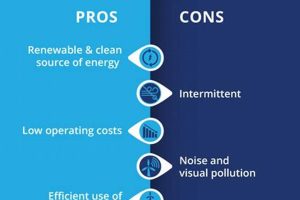
Key advantages include a reduction in dependence on depleting resources, enhanced energy security, lower operating costs (due to minimal fuel requirements), and a cleaner energy supply with fewer environmental consequences.
Question 4: What limitations or challenges are associated with relying on sunlight for power generation?
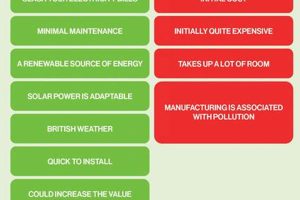
Intermittency due to weather conditions and the day/night cycle poses a primary challenge. Addressing this requires energy storage solutions (e.g., batteries) or grid integration strategies to ensure a consistent power supply. Additionally, the initial capital investment for solar energy systems can be significant.
Question 5: Can the use of sunlight for power generation effectively meet global energy demands?
Sunlight has the potential to significantly contribute to global energy needs, but a complete transition requires a diversified energy portfolio, technological advancements in energy storage and grid management, and supportive policy frameworks. Its distributed nature makes it particularly suitable for supplementing centralized grid systems.
Question 6: What future developments or innovations are anticipated in sunlight-derived power technologies?
Ongoing research focuses on improving solar panel efficiency, developing advanced energy storage solutions, integrating smart grid technologies, and exploring innovative applications such as solar fuels and enhanced materials for PV cells. These advancements aim to further reduce costs and improve the performance of solar energy systems.
Understanding these frequently asked questions provides a solid foundation for evaluating the role of solar energy in a sustainable energy future.
Further investigation into specific solar technologies and their applications is encouraged.
Solar Energy
The preceding discourse has elucidated the fundamental nature of “solar energy is a renewable energy source,” underscoring its inherent attributes of inexhaustibility, sustainability, cleanliness, versatility, independence, and its capacity for distributed generation. These characteristics position solar power as a critical element in addressing global energy challenges and mitigating the environmental consequences of conventional energy production.
Recognizing the multifaceted benefits of harnessing the sun’s radiation necessitates a continued commitment to research, development, and policy initiatives that promote its widespread adoption. The transition to a sustainable energy future demands a concerted effort to overcome existing technological and economic barriers, ensuring that the potential of solar energy is fully realized for the benefit of present and future generations.