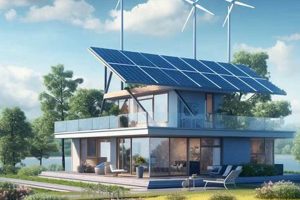
China’s pursuit of sustainable energy sources encompasses diverse technologies such as solar, wind, hydro, biomass, and geothermal power. This involves not only technological advancements in these fields but also the construction of new infrastructure, grid integration strategies, and policy frameworks that promote growth and adoption. For instance, large-scale solar farms in desert regions and offshore wind projects demonstrate the nation’s commitment to diversifying its energy mix.
This strategic shift toward cleaner energy sources carries profound significance. It addresses critical environmental concerns, including air pollution and greenhouse gas emissions, contributing to both national and global sustainability efforts. Furthermore, it bolsters energy security by reducing dependence on fossil fuel imports, fostering technological innovation, and creating new economic opportunities. Historically, China’s energy landscape has been dominated by coal. However, recognizing the imperative for a sustainable future, the nation has embarked on an ambitious trajectory toward renewable energy leadership.
This exploration will delve into specific advancements in various renewable energy sectors within China, examine the policy landscape driving this transformation, and analyze the challenges and opportunities that lie ahead.
Tips for Understanding China’s Renewable Energy Landscape
Gaining a comprehensive understanding of the renewable energy sector in China requires considering various factors influencing its development and trajectory. The following tips offer valuable insights for navigating this complex landscape.
Tip 1: Consider Regional Disparities: Resource availability and energy demand vary significantly across China’s vast geography. Coastal regions might be ideal for wind power, while the western provinces are better suited for solar. Understanding these regional nuances is crucial.
Tip 2: Follow Policy Developments: Government policies and incentives play a pivotal role in shaping the renewable energy sector’s growth. Staying informed about new regulations, subsidies, and targets is essential.
Tip 3: Analyze Technological Advancements: China is a major player in renewable energy technology development. Tracking advancements in areas like solar panel efficiency, energy storage solutions, and smart grid technologies provides valuable insights.
Tip 4: Assess Grid Integration Challenges: Integrating renewable energy sources into the existing power grid presents significant technical hurdles. Understanding these challenges and the solutions being implemented is key.
Tip 5: Examine Investment Trends: Monitoring investment flows into various renewable energy projects offers a clear indication of market priorities and growth potential.
Tip 6: Understand International Collaboration: China actively engages in international collaborations on renewable energy research and development. Tracking these partnerships provides a broader perspective on the global landscape.
Tip 7: Consider Environmental and Social Impacts: While renewable energy offers significant environmental benefits, it’s crucial to consider potential impacts on local ecosystems and communities.
By considering these key aspects, a more nuanced and informed understanding of China’s evolving renewable energy landscape can be achieved. This knowledge is crucial for investors, policymakers, and researchers alike.
This analysis provides a foundation for further exploration of specific renewable energy technologies, regional development strategies, and the long-term implications of China’s transition towards a more sustainable energy future.
1. Capacity Expansion

Capacity expansion forms a cornerstone of China’s renewable energy development strategy. The nation’s ambitious targets for increasing renewable energy generation necessitate significant expansion of installed capacity across various technologies, including solar photovoltaic (PV), wind, hydro, and biomass. This expansion is driven by the imperative to reduce reliance on fossil fuels, mitigate environmental pollution, and enhance energy security. The rapid growth of solar PV installations in regions like Xinjiang and Inner Mongolia exemplifies this commitment to capacity expansion. Similarly, the development of large-scale wind farms, both onshore and offshore, contributes significantly to increased capacity.
The scale of capacity expansion influences multiple facets of the renewable energy sector. It drives technological advancements by creating demand for more efficient and cost-effective solutions. Furthermore, it stimulates supply chain development, fostering domestic manufacturing capabilities and creating employment opportunities. The construction of large-scale renewable energy projects also necessitates infrastructure development, including transmission lines and grid integration solutions. Understanding the interplay between capacity expansion and these related factors offers crucial insights into the dynamics of China’s renewable energy transition. For example, the increasing capacity of hydropower projects along the Yangtze River requires sophisticated dam management and power distribution networks.
Capacity expansion presents both opportunities and challenges. While it accelerates the shift towards cleaner energy sources, it also requires careful planning and management to ensure sustainable development. Grid integration of intermittent renewable sources, land use considerations, and potential environmental impacts require strategic assessment. Furthermore, ensuring the long-term financial viability of these large-scale projects is critical for sustained growth. Addressing these challenges effectively is essential for realizing the full potential of capacity expansion in driving China’s renewable energy transformation and contributing to global sustainability goals.
2. Technological Innovation

Technological innovation plays a crucial role in advancing renewable energy within China. Continuous improvements in efficiency, cost reduction, and energy storage solutions are essential for widespread adoption and integration of renewable sources into the national grid. Research and development efforts, both domestically and through international collaborations, drive advancements across various renewable energy technologies.
- Improved Solar Panel Efficiency
advancements in solar photovoltaic (PV) technology, including higher efficiency silicon-based panels and emerging technologies like perovskite solar cells, are crucial for maximizing energy generation from limited land resources. These advancements contribute to reducing the cost of solar energy, making it increasingly competitive with traditional fossil fuels.
- Advanced Wind Turbine Technology
The development of larger and more efficient wind turbines, optimized for diverse wind conditions, is essential for harnessing wind energy potential, particularly in offshore wind farms. Innovations in blade design, turbine control systems, and generator technology contribute to improved performance and reliability.
- Energy Storage Solutions
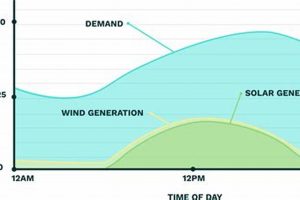
Addressing the intermittency of renewable energy sources like solar and wind requires effective energy storage solutions. Advancements in battery technology, pumped hydro storage, and other storage methods are crucial for ensuring a stable and reliable power supply. For example, the development of large-scale battery storage facilities can help smooth out fluctuations in renewable energy generation and improve grid stability.
- Smart Grid Technologies
Integrating renewable energy sources into the national grid requires sophisticated smart grid technologies. Advanced grid management systems, real-time monitoring, and demand-side management solutions are crucial for optimizing grid performance and ensuring efficient distribution of renewable energy. These technologies enable better integration of distributed renewable energy sources, enhance grid stability, and improve overall energy efficiency.
These technological advancements are interconnected and contribute synergistically to the growth of renewable energy in China. Continued innovation in these areas is essential for achieving national renewable energy targets, reducing carbon emissions, and transitioning towards a more sustainable energy future. Furthermore, these innovations often have global implications, as Chinese technologies and expertise are exported to other countries, contributing to the global advancement of renewable energy.
3. Policy Support

Government policies and regulations form the bedrock of renewable energy development in China. Supportive policies create an enabling environment for investment, technological innovation, and market growth. Understanding the policy landscape is crucial for comprehending the trajectory and future prospects of the renewable energy sector. These policies address key aspects such as feed-in tariffs, renewable portfolio standards, and subsidies for renewable energy projects.
- Feed-in Tariffs (FITs)
FITs guarantee a fixed price for renewable energy fed into the grid, providing price stability and incentivizing investment in renewable energy projects. These tariffs are designed to ensure the financial viability of renewable energy projects and encourage private sector participation. The implementation of FITs has played a significant role in the rapid growth of solar and wind power capacity in China. However, the effectiveness of FITs depends on factors such as tariff levels, payment mechanisms, and grid connection procedures.
- Renewable Portfolio Standards (RPS)
RPS mandates a certain percentage of electricity generation from renewable sources for electricity providers. These standards create a market demand for renewable energy and drive further investment in renewable energy projects. RPS policies often vary by region and sector, reflecting specific energy needs and resource availability. The implementation of RPS has been instrumental in diversifying the energy mix and promoting the integration of renewable energy into the national grid.
- Subsidies and Incentives
Financial incentives, such as subsidies for renewable energy equipment manufacturing and tax breaks for renewable energy projects, further stimulate market growth and technological innovation. These subsidies can help reduce the upfront costs of renewable energy technologies, making them more accessible to consumers and businesses. Targeted subsidies for specific technologies or regions can also help address regional disparities and promote balanced development of the renewable energy sector.
- Carbon Emissions Trading Scheme (ETS)
The ETS puts a price on carbon emissions, creating an economic incentive for reducing emissions and transitioning to cleaner energy sources. The ETS encourages businesses to invest in renewable energy and energy efficiency measures to reduce their carbon footprint and comply with emissions targets. The ETS complements other policy instruments by creating a market-based mechanism for promoting renewable energy adoption.
The effectiveness of these policy instruments depends on consistent implementation, regular review, and adaptation to evolving market conditions. Furthermore, policy coordination across different government agencies and levels is crucial for maximizing impact and avoiding conflicting policy objectives. The evolving policy landscape continues to shape the direction of renewable energy development in China, influencing investment decisions, technological advancements, and the overall transition towards a more sustainable energy future.
4. Investment Growth

Investment growth is a critical driver of renewable energy development in China. The scale and direction of financial flows into the sector significantly influence the pace of technological innovation, capacity expansion, and market development. Analyzing investment trends provides valuable insights into the priorities and future trajectory of China’s renewable energy transition. Public and private sector investments play distinct yet complementary roles in shaping this landscape.
- Public Sector Investment
Government funding plays a crucial role in supporting early-stage research and development, demonstrating the viability of new technologies, and de-risking investments for the private sector. Public sector investments often focus on strategic areas like grid infrastructure development, energy storage solutions, and pilot projects for emerging renewable energy technologies. For instance, government funding has been instrumental in supporting the development of ultra-high voltage (UHV) transmission lines crucial for integrating large-scale renewable energy projects into the national grid.
- Private Sector Investment
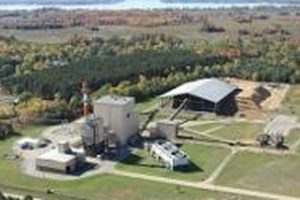
Private sector investment drives large-scale deployment of commercially viable renewable energy technologies. Investment from companies, venture capital funds, and project developers fuels the growth of solar and wind farms, biomass energy projects, and other renewable energy installations. Attracting private sector investment requires a stable policy environment, clear regulatory frameworks, and attractive investment returns. The increasing competitiveness of renewable energy technologies has led to a surge in private sector investment in recent years.
- Foreign Direct Investment (FDI)
FDI plays an important role in transferring technology, expertise, and capital into China’s renewable energy sector. International collaborations and joint ventures facilitate knowledge sharing and accelerate the adoption of advanced renewable energy technologies. FDI also contributes to the development of local supply chains and manufacturing capabilities. China’s open policies towards FDI in the renewable energy sector have attracted significant investment from international companies and investors.
- Green Finance
The development of green finance instruments, such as green bonds and sustainable investment funds, channels capital towards environmentally friendly projects, including renewable energy. Green finance initiatives help mobilize private capital for sustainable development and promote greater transparency and accountability in environmental, social, and governance (ESG) performance. The growth of green finance in China has provided an additional avenue for funding renewable energy projects and supporting the transition to a low-carbon economy.
The interplay between these different investment sources is crucial for the continued growth and development of China’s renewable energy sector. A healthy balance of public and private investment, coupled with supportive policies and regulatory frameworks, is essential for fostering innovation, driving down costs, and achieving ambitious renewable energy targets. The ongoing growth of investment in the sector signals a strong commitment to a sustainable energy future and reinforces China’s position as a global leader in renewable energy development. This investment landscape is dynamic, constantly evolving in response to technological advancements, policy changes, and market dynamics.
5. Grid Integration

Grid integration represents a critical challenge and opportunity within China’s renewable energy transformation. Successfully incorporating intermittent renewable sources like solar and wind power into the existing electricity grid is essential for realizing their full potential. This necessitates significant infrastructure development, advanced grid management technologies, and policy frameworks that facilitate efficient and reliable integration. The complexity of grid integration stems from the fluctuating nature of renewable energy generation, requiring innovative solutions to ensure grid stability and security.
- Transmission Infrastructure Development
Expanding and upgrading transmission infrastructure is crucial for transporting renewable energy from generation sites, often located in remote areas, to major population centers. This involves constructing new high-voltage transmission lines, including ultra-high voltage (UHV) lines capable of transmitting large amounts of electricity over long distances with minimal losses. For example, the development of UHV transmission lines connecting wind farms in Inner Mongolia to coastal cities demonstrates China’s commitment to overcoming geographical barriers in renewable energy integration.
- Smart Grid Technologies
Implementing smart grid technologies enhances grid flexibility and responsiveness to fluctuations in renewable energy generation. Advanced metering infrastructure, real-time monitoring systems, and demand-side management solutions optimize grid operations, enabling more efficient integration of intermittent renewable sources. For instance, smart grids can predict and respond to changes in solar and wind power output, minimizing the impact on grid stability and ensuring a reliable electricity supply. These systems also enable better management of distributed generation resources, integrating rooftop solar panels and other small-scale renewable energy systems into the grid.
- Energy Storage Solutions
Energy storage technologies play a vital role in smoothing out fluctuations in renewable energy generation and ensuring a consistent power supply. Pumped hydro storage, battery storage systems, and other storage solutions provide a buffer against intermittency, enhancing grid reliability and facilitating greater penetration of renewable energy. The development of large-scale battery storage projects, often co-located with solar or wind farms, demonstrates the increasing importance of energy storage in grid integration. These solutions help address the challenges posed by the intermittent nature of renewable sources and improve the overall efficiency of the electricity system.
- Policy and Regulatory Frameworks
Supportive policies and regulations are essential for facilitating grid integration of renewable energy. Grid connection priorities for renewable energy projects, streamlined permitting processes, and market mechanisms that incentivize grid flexibility and stability are crucial for enabling effective integration. Clear regulations regarding grid access, transmission charges, and ancillary services provide certainty for investors and promote the smooth integration of renewable energy into the national grid. These frameworks create a level playing field and ensure fair competition between different energy sources.
These interconnected facets of grid integration are crucial for unlocking the full potential of renewable energy in China. Successfully addressing these challenges will enable greater reliance on clean energy sources, reduce reliance on fossil fuels, and contribute significantly to achieving national climate goals. Furthermore, advancements in grid integration technologies and strategies developed in China can serve as valuable models for other countries pursuing renewable energy transitions. The continued development and refinement of grid integration solutions will be essential for the long-term sustainability and effectiveness of China’s renewable energy sector.
Frequently Asked Questions
This section addresses common inquiries regarding the expansion of sustainable energy sources within China, aiming to provide clear and concise information.
Question 1: What are the primary drivers of renewable energy development in China?
Key drivers include environmental concerns (air pollution, climate change), energy security (reducing reliance on fossil fuel imports), economic opportunities (job creation, technological innovation), and national strategic goals (energy independence, global leadership in renewable energy).
Question 2: What are the main types of renewable energy being developed in China?
China focuses on diverse renewable energy sources, including solar photovoltaic (PV), wind (onshore and offshore), hydropower, biomass, and geothermal. The specific focus varies regionally depending on resource availability and energy demand.
Question 3: What are the key challenges faced by the renewable energy sector in China?
Challenges include grid integration of intermittent renewable sources, land use constraints for large-scale projects, technological advancements needed for cost reduction and efficiency improvements, financing large-scale projects, and ensuring consistent policy support and regulatory frameworks.
Question 4: How does China’s renewable energy development compare to other countries?
China is a global leader in renewable energy capacity and investment. It leads the world in installed capacity of solar and wind power and is a major manufacturer of renewable energy technologies. However, different countries have varying renewable energy resource endowments and policy landscapes, making direct comparisons complex.
Question 5: What is the role of government policy in supporting renewable energy development in China?
Government policies, including feed-in tariffs, renewable portfolio standards, subsidies, and carbon pricing mechanisms, play a crucial role in incentivizing investment, driving technological innovation, and creating market demand for renewable energy.
Question 6: What is the future outlook for renewable energy in China?
The outlook for renewable energy in China remains positive, driven by continued policy support, technological advancements, and decreasing costs. Renewable energy is expected to play an increasingly important role in China’s energy mix, contributing significantly to national climate goals and global sustainability efforts. However, challenges related to grid integration, energy storage, and policy consistency need to be addressed for sustained growth.
Understanding these fundamental aspects provides a solid foundation for further exploration of specific renewable energy technologies, regional developments, and the evolving policy landscape shaping the future of sustainable energy in China.
Further analysis will explore specific renewable energy technologies, regional development strategies, and the long-term implications of China’s transition towards a more sustainable energy future.
Conclusion
China’s pursuit of renewable energy sources represents a significant undertaking with global implications. This exploration has highlighted the multifaceted nature of this transition, encompassing capacity expansion, technological innovation, policy support, investment growth, and grid integration. Each element plays a crucial role in shaping the trajectory of renewable energy development within the nation. From ambitious solar and wind projects to advancements in energy storage solutions and smart grid technologies, China’s efforts demonstrate a commitment to diversifying its energy mix and addressing critical environmental challenges. The scale and speed of this transformation position China as a key player in the global renewable energy landscape.
The ongoing evolution of renewable energy in China presents both opportunities and challenges. Balancing rapid growth with sustainable development requires continuous innovation, strategic planning, and effective policy implementation. As China continues to navigate this complex transition, the lessons learned and technologies developed will undoubtedly influence the global trajectory of renewable energy adoption. The future of energy hinges on continued commitment to innovation, collaboration, and the pursuit of sustainable solutions. China’s progress serves as a crucial case study for the world, demonstrating the potential of renewable energy to reshape the global energy landscape.